



Creative sublimation project ideas to grow your craft business
Choosing the right sublimation projects can transform your craft business, but the sheer variety of blanks and possibilities often leaves crafters overwhelmed. Success depends on understanding essential criteria: material compatibility, equipment requirements, market appeal, and scalability. Whether you’re exploring personalised badges, bar runners, or textile items, selecting projects that align with your skills and customer needs is vital. This article examines the key criteria for evaluating sublimation projects, highlights popular ideas proven to engage diverse audiences, and provides practical guidance to help you decide which creative ventures fit your business goals and resources.
Table of Contents
- Key takeaways
- Essential criteria for choosing creative sublimation projects
- Top creative sublimation projects to try
- Comparing sublimation project options in detail
- Choosing the best sublimation project for your business
- Explore sublimation blanks and supplies at SubliBlanks
- Frequently asked questions
Key Takeaways
| Point | Details |
|---|---|
| Material compatibility | Polyester or polymer coated blanks are essential for vibrant, durable prints, while cotton and uncoated surfaces will not hold sublimation inks. |
| Testing blanks regularly | Run test prints on every new batch to check colour fidelity, ink absorption, and coating consistency to prevent costly mistakes and protect your brand reputation. |
| Equipment compatibility | Ensure your heat press size and configuration suit the project types you plan to run, with small presses limiting items and larger presses enabling textiles and bar runners. |
| Budget and scalability | Consider the total cost per unit including blanks, paper, electricity, and labour when deciding which projects can grow sustainably. |
Essential criteria for choosing creative sublimation projects
Material compatibility forms the foundation of successful sublimation. Polyester or polymer-coated blanks are essential for achieving vibrant, long-lasting prints that maintain colour intensity through repeated washing and handling. Cotton, linen, and uncoated surfaces simply cannot hold sublimation inks, resulting in faded, disappointing results. Before committing to any project type, verify that your chosen blanks meet these material requirements.
Testing each blank type is crucial to ensure consistent quality across your product range. Even within polyester blanks, coating quality varies between suppliers, affecting colour vibrancy and durability. Run test prints on every new batch to check for colour fidelity, ink absorption, and coating consistency. This practice prevents costly mistakes and protects your brand reputation. Some crafters favour the Brother SP1 printer for connected workflows that streamline testing and production processes.
Equipment compatibility directly affects your workflow efficiency and project selection. Consider whether your heat press accommodates the size and shape of potential projects. A small flat press limits you to coasters and badges, whilst a larger swing-away press opens opportunities for bar runners and textile items. Review your current sublimation equipment setup and identify any gaps that might restrict certain project types.
Budget and scalability influence which projects you can sustain long term. Calculate the cost per unit including blanks, sublimation paper, electricity, and labour time. Projects with low material costs but high labour requirements may not scale profitably. Conversely, higher-priced blanks that produce premium products can justify increased investment if your target market values quality and customisation.
Pro Tip: Create a simple spreadsheet tracking material costs, production time, and selling price for each project type. This data reveals which projects deliver the best profit margins and helps you prioritise your creative efforts effectively.
Top creative sublimation projects to try
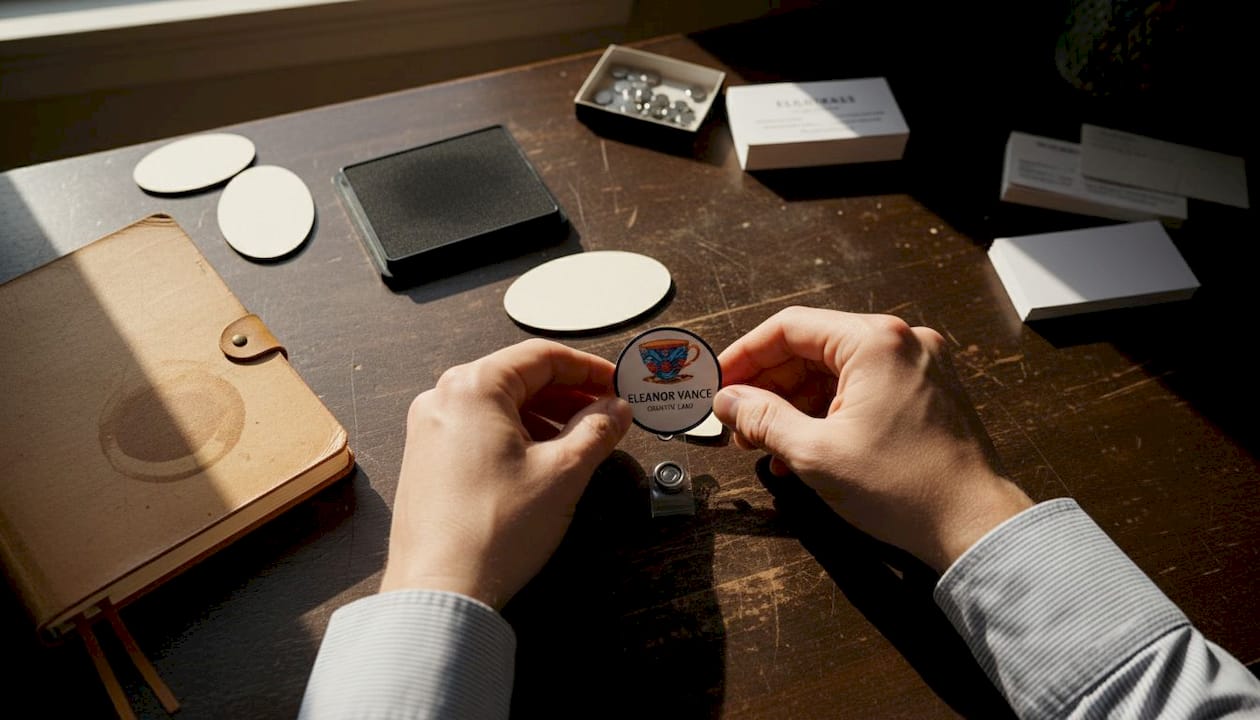
Personalised name badges using MDF blanks with pins or magnets rank amongst the most popular sublimation projects for events, corporate settings, and educational institutions. These compact items require minimal material investment, produce quickly, and appeal to organisations seeking professional identification solutions. Round, rectangular, and custom-shaped badges offer versatility for different branding requirements.
Bar runners provide a unique decorative option for hospitality businesses, home bars, and gift markets. These sublimation blanks feature polyester surfaces that showcase vivid designs, logos, and personalised messages. Creating bar runners in batches becomes efficient once you establish your workflow, and their higher price point compared to smaller items improves profit margins. They appeal particularly to pubs, restaurants, and homeowners seeking distinctive décor.
Textile projects including custom cushions, tea towels, and tote bags deliver broad market appeal and generous surface areas for creative designs. These items suit corporate gifting, retail sales, and personalised occasions like weddings and birthdays. The polyester content in sublimation textiles ensures colours remain vibrant through repeated washing, making them practical as well as decorative. Different customer segments value textiles for varying reasons, from home styling to promotional merchandise.
Each project type serves distinct markets and occasions:
- Name badges excel for corporate events, conferences, schools, and membership organisations
- Bar runners target hospitality venues, home entertainers, and sports fans
- Cushions appeal to home décor enthusiasts and gift buyers
- Tea towels suit kitchen retailers, souvenir shops, and personalised gift markets
- Tote bags attract eco-conscious shoppers, promotional campaigns, and event organisers
Selecting appropriate sublimation paper for your equipment ensures optimal ink transfer and colour accuracy. Paper weight, coating quality, and compatibility with your printer model all influence final results. Testing different paper brands with your specific equipment helps identify the combination that delivers the most consistent, professional outcomes.
Comparing sublimation project options in detail
Understanding how different sublimation projects compare across key factors helps you make informed decisions about which items to add to your product range. Material compliance, production complexity, blank costs, and market appeal vary significantly between project types.
| Project type | Material requirements | Production time | Blank cost | Market appeal | Profit potential |
|---|---|---|---|---|---|
| Name badges | MDF with polyester coating | 5-10 minutes | Low | Corporate, events | Moderate |
| Bar runners | 100% polyester fabric | 15-20 minutes | Moderate | Hospitality, gifting | High |
| Cushions | Polyester cover | 20-30 minutes | Moderate to high | Home décor, gifts | High |
| Tea towels | Polyester blend | 10-15 minutes | Low to moderate | Kitchen, souvenirs | Moderate |
| Tote bags | Polyester fabric | 15-20 minutes | Moderate | Retail, promotional | Moderate to high |
Name badges offer cost-effective entry into sublimation with minimal investment in blanks and quick production cycles. However, their small size limits design complexity and market scope primarily to corporate and event contexts. Volume sales to organisations can compensate for lower individual prices.
Bar runners require more production time due to their larger surface area but command higher retail prices that reflect their decorative value and specialised appeal. The hospitality and gifting markets appreciate unique, personalised items that create atmosphere and brand identity. Testing designs on sample blanks before accepting large orders preserves quality standards.
Textile items demand greater investment in blanks but provide broad market reach and opportunities for repeat purchases. Customers who buy one personalised cushion often return for matching items or gifts for friends. The versatility of textiles across home décor, corporate gifting, and retail channels makes them valuable additions to your product portfolio.
Production complexity increases with project size and shape. Flat items like badges transfer heat evenly and predictably, whilst three-dimensional or larger items require careful pressure distribution and temperature control. Your equipment setup determines which projects you can produce consistently to professional standards.
Pro Tip: Start with one project type, perfect your process, then expand gradually. Mastering quality control for badges builds confidence and skills before tackling more complex textile projects that require precise temperature and pressure management.
Choosing the best sublimation project for your business
Evaluating your target audience and their preferences guides project selection more effectively than following trends alone. Corporate clients value professional name badges and branded merchandise, whilst retail customers seek unique home décor and personalised gifts. Understanding who you serve shapes which products resonate and generate repeat business.
Assessing your current equipment reveals immediate opportunities and necessary investments. If you own a small heat press, focus on badges, coasters, and small textile items before considering larger bar runners or cushions. Review your printer setup to ensure it handles the volume and quality requirements of your chosen projects.
Starting small with test batches protects your investment and reputation. Produce limited quantities of new project types, gather customer feedback, and refine your process before scaling up. This approach identifies quality issues, pricing sweet spots, and design preferences without committing significant resources upfront. Monitor how different designs perform across various blanks to build data-driven insights.
Budgeting for consumables including sublimation paper, Teflon sheets, and heat-resistant tape ensures consistent output quality. These items wear out or deplete with use, and running short mid-production disrupts workflow and delays orders. Calculate monthly consumption rates based on your production volume and maintain adequate stock levels.
Leveraging popular, versatile projects builds brand recognition and customer loyalty. Items that appeal across multiple occasions and recipient types generate steady demand rather than seasonal spikes. Textiles for sublimation offer this versatility, serving corporate, gifting, and retail markets simultaneously. Establishing expertise in core products creates referral opportunities and positions your business as a reliable supplier.
Key decision factors include:
- Market demand in your local area or online niche
- Equipment capacity and upgrade requirements
- Material costs versus selling prices
- Production time per unit
- Storage space for blanks and finished products
- Skill level required for consistent quality
- Seasonal variations in customer interest
Balancing these factors against your business goals and resources reveals which projects align with your growth strategy. Some crafters prioritise high-volume, low-margin items whilst others focus on premium, customised products with higher prices. Neither approach is inherently superior; success depends on matching your capabilities with market opportunities.
Explore sublimation blanks and supplies at SubliBlanks
Finding reliable suppliers for quality sublimation blanks streamlines your production and ensures consistent results across every project. SubliBlanks offers an extensive range of tested blanks including round MDF name badges and bar runner sublimation blanks that meet the exacting standards creative businesses require.
As a trade wholesaler with no minimum order quantities, SubliBlanks supports crafters and small businesses at every stage of growth. Whether you’re testing new project ideas with small batches or scaling successful products with bulk orders, accessing quality materials without restrictive minimums gives you flexibility to respond to market demand. The comprehensive product range extends beyond sublimation to include badge-making supplies, laser engraving blanks, and packaging materials that complement your creative offerings. Explore the full selection at SubliBlanks to discover how specialised suppliers help maintain the quality and consistency your customers expect.
Frequently asked questions
What materials work best for sublimation projects?
Polyester or polymer-coated blanks deliver the vibrant, durable prints sublimation is known for. Natural fibres like cotton and uncoated surfaces cannot hold sublimation inks effectively. Always test new blanks before committing to large production runs to verify colour fidelity and coating quality.
How can I ensure consistent quality in sublimation printing?
Conduct test prints on each new blank batch before starting full production runs. Maintain precise temperature and pressure settings on your heat press, and use compatible, quality sublimation paper. Some crafters prefer connected workflows like Brother SP1 for enhanced precision control throughout the printing process.
What are simple sublimation projects for beginners?
Personalised name badges and coasters make excellent starter projects due to their small size, quick production time, and low material costs. These items help you master heat press techniques and colour management before progressing to larger, more complex projects. Tea towels also offer accessible entry points with broad market appeal.
How do I price sublimation products competitively?
Calculate total costs including blanks, sublimation paper, electricity, labour time, and overhead, then add your desired profit margin. Research competitor pricing for similar items whilst considering your unique value propositions like customisation options or faster turnaround times. Premium quality and exceptional service justify higher prices than mass-produced alternatives.
Which sublimation projects offer the best profit margins?
Bar runners and cushions typically deliver higher profit margins due to their premium positioning and larger surface areas that showcase design skills. However, name badges sold in volume to corporate clients can also prove profitable through efficient production processes. Analyse your specific costs, production speed, and target market to identify which projects maximise returns for your business model.


