



Why Use Sublimation for Textiles: Lasting Impact and Value
Finding reliable ways to make clothing stand out can feel challenging for independent manufacturers across the United Kingdom and Ireland. Sublimation printing offers a cost-effective path to vibrant, durable textile designs, transforming synthetic fabrics with lasting colour and high resolution. Manufacturers gain the freedom to create custom products without expensive equipment or large inventory demands, discovering a simple and efficient method for enhancing garment collections.
Table of Contents
- Sublimation Printing Defined For Textiles
- How Sublimation Creates Lasting Textile Prints
- Key Benefits For Small-Scale Manufacturers
- Comparing Sublimation To Other Print Methods
- Common Pitfalls And Limitations In Practice
Key Takeaways
| Point | Details |
|---|---|
| Sublimation Printing Benefits | This method creates permanent, vibrant designs on synthetic fabrics with exceptional durability and colour retention. |
| Small-Scale Manufacturer Advantages | Sublimation printing reduces costs and inventory needs, enabling manufacturers to produce custom designs efficiently. |
| Comparative Advantages Over Traditional Methods | Sublimation offers deeper dye penetration and reduced risk of print degradation compared to screen printing and DTG. |
| Common Limitations | Fabric compatibility is crucial; sublimation works best on polyester and synthetic materials, posing challenges for natural fibre printing. |
Sublimation Printing Defined for Textiles
Sublimation printing represents a sophisticated digital textile printing technique that transforms traditional design transfer methods. Digital dye transformation process allows manufacturers to create vibrant, permanent designs on synthetic fabrics through an innovative heat-transfer mechanism.
At its core, the sublimation process involves converting solid printing dye directly into a gaseous state under precise temperature conditions. This unique approach enables the dye to penetrate deeply into polymeric textile surfaces, creating molecular bonds that produce exceptionally durable prints. Unlike traditional printing methods that sit on top of fabric fibres, sublimation dyes actually integrate themselves into the material’s structure.
Key characteristics of sublimation printing include:
- Permanent design transfer with exceptional colour vibrancy
- High resolution print capabilities
- Resistance to peeling and cracking
- Optimal performance on polyester and synthetic fabrics
- Improved fabric mechanical properties
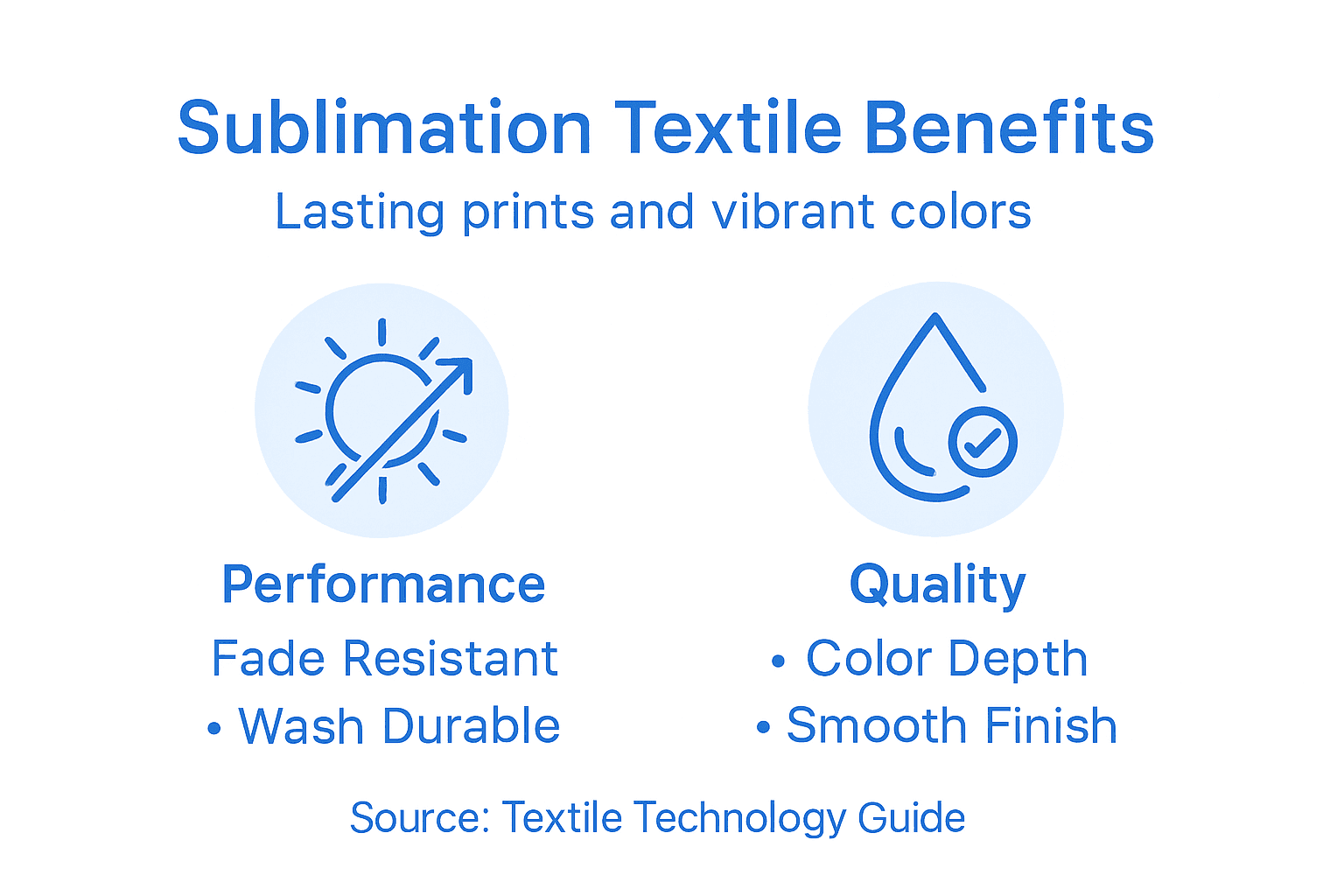
Textile Performance Advantages emerge through this innovative printing technique. Textile printing technology enhances fabric characteristics by slightly modifying surface density while maintaining structural integrity. The heat and pressure applied during printing create a permanent bond between dye and fabric, resulting in prints that withstand repeated washing and wear.
Pro tip: Test fabric composition before sublimation to ensure optimal transfer and colour retention.
How Sublimation Creates Lasting Textile Prints
Textile printing technology transforms design transfer through an extraordinary molecular mechanism. Precise heat transfer process4_web_2413.pdf) enables manufacturers to create extraordinarily durable prints that integrate directly into fabric fibres, moving far beyond traditional surface-level printing techniques.
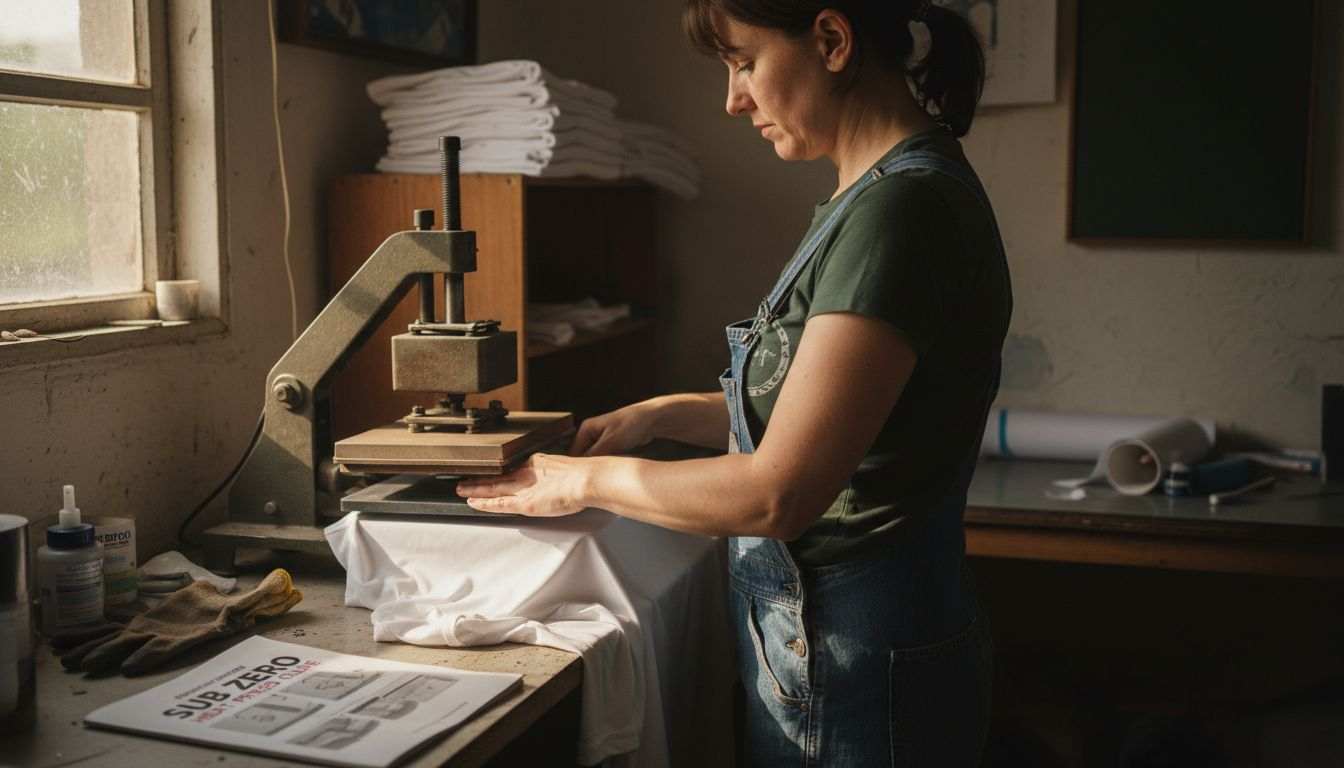
The sublimation process operates through a sophisticated transformation of solid printing dyes into a gaseous state. When exposed to precise temperatures, these dyes penetrate deeply into synthetic fabric fibres, creating molecular bonds that produce prints with exceptional durability. Unlike conventional printing methods that merely coat fabric surfaces, sublimation dyes actually become part of the textile’s fundamental structure.
Key advantages of this printing method include:
- Molecular-level dye integration
- Superior colour retention
- Exceptional wash resistance
- Minimal fabric texture disruption
- Long-lasting print quality
Print Durability Parameters are critically influenced by specific technical variables. Temperature and time variables demonstrate that optimal printing conditions—typically around 200°C with 30-60 second dwell times—dramatically enhance print quality and colour fastness. These precise conditions ensure that dyes penetrate synthetic fabrics comprehensively, creating prints that withstand repeated washing and wear.
Pro tip: Invest in a high-quality heat press with precise temperature controls to achieve consistent, professional sublimation results.
Key Benefits for Small-Scale Manufacturers
Textile production strategies are rapidly evolving, with sublimation printing emerging as a game-changing technology for small manufacturers. Cost-effective printing solutions offer unprecedented flexibility and efficiency, transforming how smaller businesses approach textile design and production.
The economic advantages of sublimation printing are particularly compelling for small-scale manufacturers. Unlike traditional printing methods that require substantial upfront investments, this technique minimises initial setup costs and eliminates the need for extensive inventory. Manufacturers can now produce small batch runs, custom designs, and on-demand prints with remarkable ease, dramatically reducing financial risks and operational complexities.
Key competitive advantages include:
- Minimal equipment investment
- Faster production turnaround times
- High-quality, vibrant print results
- Reduced inventory management costs
- Enhanced design flexibility
- Eco-friendly production process
Manufacturing Efficiency Parameters are significantly improved through sublimation technology. Fabric printing capabilities demonstrate remarkable benefits, including enhanced colour accuracy, superior durability, and the ability to produce intricate designs on polyester fabrics quickly. These advantages enable small manufacturers to compete effectively with larger production facilities by offering premium-quality products without massive capital expenditure.
Pro tip: Invest in polyester-blend fabrics to maximise the potential of your sublimation printing capabilities and diversify your product offerings.
Comparing Sublimation to Other Print Methods
Textile printing technologies represent a complex landscape of manufacturing techniques, with sublimation emerging as a revolutionary approach. Sustainable textile printing method offers manufacturers a transformative alternative to traditional printing processes, challenging conventional approaches with its innovative molecular integration technique.
Traditional printing methods like screen printing and direct-to-garment techniques typically apply ink as a surface layer, creating prints that are prone to cracking, peeling, and fading over time. In stark contrast, sublimation printing fundamentally transforms the textile printing paradigm by converting dyes directly into a gaseous state that penetrates and bonds with synthetic fabric fibres, creating prints that become an intrinsic part of the material rather than a temporary external application.
Key comparative advantages of sublimation printing include:
- Deeper dye penetration into fabric
- Superior colour vibrancy and longevity
- Reduced risk of print degradation
- Minimal fabric texture disruption
- More environmentally sustainable process
- Greater design complexity potential
Printing Technology Differentiators highlight sublimation’s remarkable capabilities. Colour and design performance demonstrates how this method produces prints with exceptional clarity, washability, and durability compared to traditional techniques. By embedding pigments directly into polymer fibres, sublimation creates images that maintain their integrity through repeated washing and wear, offering a significant advancement over surface-level printing approaches.
To better understand how sublimation printing stacks up against traditional techniques, consider the following comparison:
| Criterion | Sublimation Printing | Screen Printing | Direct-to-Garment (DTG) |
|---|---|---|---|
| Print Durability | Outstanding, withstands washing | Moderate, prone to fading | Good, but can fade over time |
| Fabric Compatibility | Mostly synthetic, especially polyester | Broad, handles many fabrics | Broad, may work on cotton blends |
| Colour Brilliance | Extremely vibrant and sharp | Good, somewhat limited range | Excellent, full colour range |
| Environmental Impact | Lower water and ink usage | High waste and chemical use | Moderate ink consumption |
Pro tip: Select synthetic fabrics with high polyester content to maximise the exceptional print quality and durability inherent in sublimation printing.
Common Pitfalls and Limitations in Practice
Textile printing challenges emerge as critical considerations for manufacturers exploring sublimation technology. Sublimation printing constraints highlight significant limitations that can impact production quality and material selection strategies.
The most pronounced restriction lies in fabric compatibility, with sublimation printing predominantly effective only on polyester and synthetic materials. Natural fibres like cotton resist the dye transfer process, creating substantial barriers for manufacturers seeking versatile printing solutions. This limitation demands careful material selection and potentially restricts design flexibility for businesses working with diverse textile compositions.
Key technical challenges include:
- Strict material composition requirements
- Narrow temperature tolerance ranges
- Reduced fabric breathability
- Complex equipment calibration
- Limited application on natural fibres
- Environmental sensitivity of transfer process
Technical Performance Boundaries reveal nuanced operational complexities. Material transfer challenges demonstrate that precise heat press settings are absolutely critical, with even minor deviations potentially causing significant print quality issues. Incorrect temperature, pressure, or duration can result in colour fading, uneven transfers, or complete print failure, underscoring the technical precision required in sublimation printing.
Here’s a brief summary highlighting potential pitfalls versus best practice solutions in sublimation printing:
| Challenge | Root Cause | Recommended Solution |
|---|---|---|
| Inconsistent Print Quality | Poor calibration or control | Regular equipment calibration |
| Weak Colour Retention | Wrong fabric composition | Use high polyester blends |
| Print Fading or Peeling | Incorrect temperature/pressure | Maintain optimal heat/pressure |
| Limited Fabric Choice | Incompatible fibre structure | Source polyester-rich materials |
Pro tip: Invest in high-quality calibration tools and conduct systematic test prints to understand your specific equipment’s optimal performance parameters.
Unlock the Full Potential of Sublimation Printing
If you are facing challenges such as fabric compatibility, precise temperature control, or desire vibrant and long-lasting textile designs, it is time to explore solutions tailored for sublimation success. The article highlights key pain points like strict polyester fabric requirements and exact heat press calibration necessary for outstanding print durability. At Subliblanks, we understand these hurdles and offer the tools to overcome them efficiently.
Discover our extensive range of sublimation blanks, printers, and equipment designed to support small manufacturers and designers in achieving exceptional colour retention and print quality on synthetic textiles. Act now to gain access to low minimum order quantities and benefit from expert-grade products that guarantee your sublimation printing runs smoothly and profitably. Visit Subliblanks today and transform your textile printing capabilities with proven, dependable technology.
Frequently Asked Questions
What is sublimation printing for textiles?
Sublimation printing is a digital textile printing technique that converts solid dye directly into a gas, allowing it to penetrate synthetic fabrics like polyester and bond at a molecular level. This results in durable, vibrant prints that resist peeling and fading.
What are the main benefits of using sublimation printing?
The main benefits of sublimation printing include permanent design integration with exceptional colour vibrancy, high resolution, resistance to washing and wear, and improved fabric mechanical properties, particularly when using polyester and synthetic materials.
What are the limitations of sublimation printing?
Sublimation printing is primarily effective on synthetic fabrics, specifically those made of polyester. It does not perform well on natural fibres like cotton, which can limit design versatility for some manufacturers.
How can I ensure the best print quality with sublimation?
To achieve optimal print quality, it’s essential to calibrate your heat press correctly. Use high-quality polyester fabrics, maintain the right temperature (typically around 200°C) and dwell time (30-60 seconds), and conduct test prints to understand your specific equipment’s performance parameters.
Recommended
- Sublimation Terminology – Key Concepts for Small Businesses – SubliBlanks Limited
- 4 - Sublimation Poly PU – SubliBlanks Limited
- Sublimation Transfer Process: Achieve Professional Prints Easily – SubliBlanks Limited
- 7 Top Sublimation Printers 2026 for Print Shops – SubliBlanks Limited
- What Are Transfer Prints? Outsourcing DTF for Brands – DIYPRINTZ


