



Benefits of sublimation printing for UK businesses 2026
Choosing the right printing method determines whether your custom products endure repeated use or fade after a few washes. For small business owners in the UK and Ireland exploring sublimation printing, understanding how this technique fuses vibrant designs directly into materials offers a competitive edge. Unlike surface-level printing methods, sublimation creates durable, high-resolution prints on polyester and polymer-coated products. This article examines the durability, versatility, and growing market opportunities that make sublimation printing an excellent choice for entrepreneurs seeking to enhance their product offerings with professional-quality customisation.
Table of Contents
- Durability And Quality Of Sublimation Prints
- Material Compatibility And Product Versatility
- Comparing Sublimation Printing With Other Printing Methods
- Market Growth And Business Opportunities With Sublimation Printing
- Get Started With High-Quality Sublimation Supplies
Key takeaways
| Point | Details |
|---|---|
| Durability advantage | Sublimation fuses designs into material fibres, eliminating cracking and fading common with surface printing methods. |
| Material requirements | Works exclusively on polyester fabrics and polymer-coated items like mugs, mousepads, and coated ceramics. |
| Vibrant output | Produces high-resolution, full-colour prints with exceptional colour depth and detail clarity. |
| Market growth | Global sublimation market valued at $15 billion in 2025, growing at 10.88% annually through 2030. |
| Technical precision | Requires accurate heat press settings and proper material preparation for optimal results. |
Durability and quality of sublimation prints
Sublimation printing transforms solid dye into gas through heat, allowing it to penetrate and bond with polyester fibres or polymer coatings at a molecular level. This process creates a permanent fusion between the design and the substrate. When you examine a sublimated product closely, you cannot feel any texture difference because the ink becomes part of the material itself, not a layer sitting on top.
The lasting impact of sublimation becomes evident after multiple washes and extended use. Sublimation prints resist cracking because the design integrates with the material rather than adhering to its surface. Traditional screen printing applies thick ink layers that can crack, peel, or fade over time, particularly after washing. Direct-to-garment (DTG) printing creates softer prints but also applies ink as a surface layer, making it vulnerable to wear.
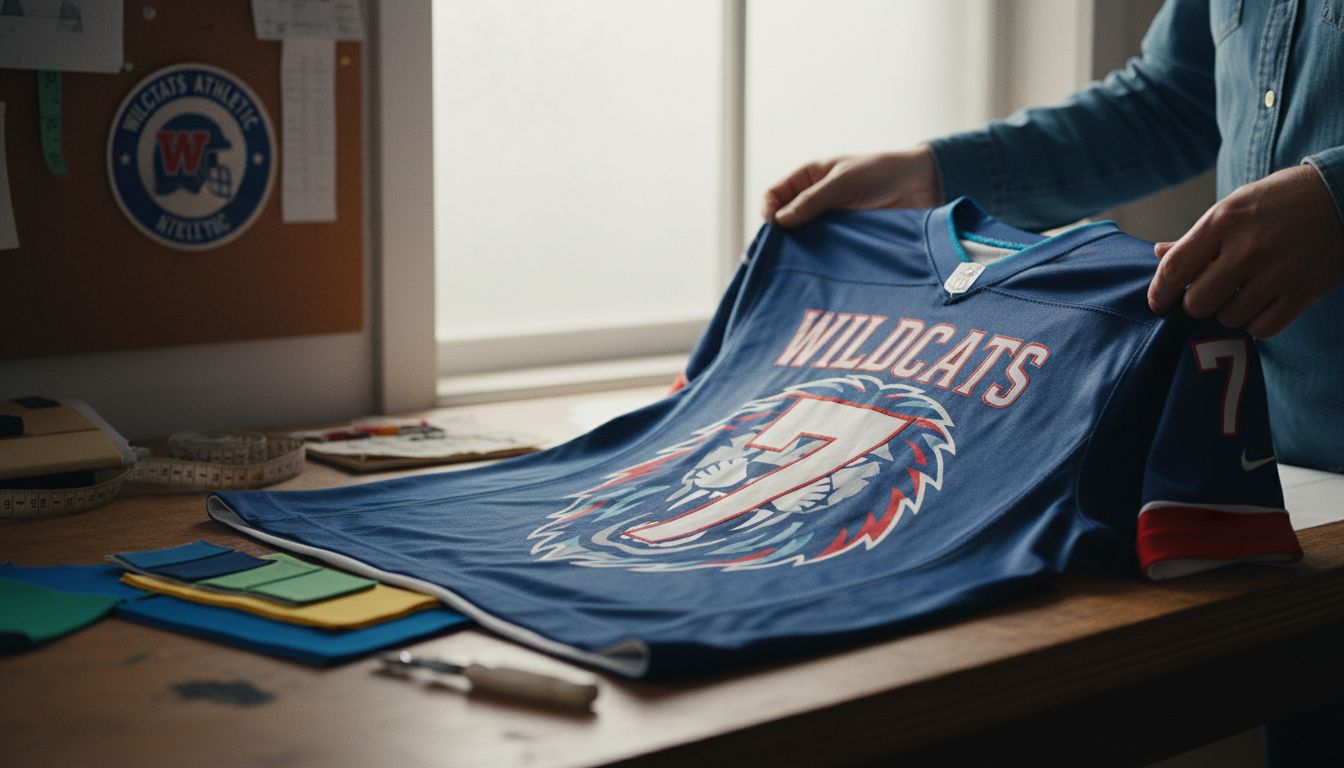
Polyester fabrics and polymer-coated products showcase sublimation’s vibrant colour capabilities. The dye molecules bond permanently with synthetic fibres, producing colours that remain brilliant through hundreds of wash cycles. You achieve photographic-quality images with smooth gradients and intricate details that other methods struggle to replicate. This makes sublimation ideal for products requiring long-term durability, such as sportswear, promotional textiles, and personalised drinkware.
Pro Tip: Always conduct a test print on your chosen substrate before committing to large production runs, as heat press temperature and pressure settings vary between different materials and thicknesses.
The permanent nature of sublimation printing offers distinct advantages for business applications:
- Designs withstand industrial washing without colour degradation
- No additional protective coatings or treatments needed after printing
- Colours remain vibrant under UV exposure and normal environmental conditions
- Prints maintain flexibility and breathability on fabric substrates
“The sublimation process creates a chemical bond between dye and polymer, ensuring designs become an integral part of the product rather than a surface decoration susceptible to wear.”
Material compatibility and product versatility
Sublimation printing works exclusively with materials containing polymer molecules that can bond with gaseous dye. Polyester fabrics and polymer-coated products provide the molecular structure necessary for successful sublimation transfer. Cotton, linen, and other natural fibres lack these polymer chains, making them incompatible with standard sublimation processes.
This material specificity actually expands rather than limits your product range. Polyester textiles include performance wear, flags, banners, cushion covers, and bags. Polymer-coated items encompass mugs, mousepads, phone cases, keyrings, coasters, and ceramic tiles. The variety of sublimation blanks for merchandise enables small businesses to diversify their offerings without investing in multiple printing technologies.
Small business owners can create cohesive product lines spanning different categories. A single sublimation printer and heat press allow you to produce custom sportswear, promotional drinkware, office accessories, and home décor items. This versatility proves particularly valuable when responding to customer requests or testing new product concepts without significant capital investment.
The compatibility requirements guide strategic product selection:
- White or light-coloured polyester fabrics produce the most vibrant results
- Polymer-coated hard goods require specific coating types designed for sublimation
- Blended fabrics with minimum 65% polyester content can work but produce lighter colours
- Pre-treated sublimation blanks eliminate guesswork about coating compatibility
Product versatility extends to customisation complexity. Sublimation handles full-colour photographic images, intricate patterns, and gradient designs equally well. You can print edge-to-edge designs on soft goods and wrap-around graphics on cylindrical items like mugs. This capability supports both simple logo placement and complex artistic designs, accommodating diverse customer preferences and market segments.
Comparing sublimation printing with other printing methods
Understanding how sublimation differs from alternative printing technologies helps you select the right method for specific applications. Sublimation creates permanent designs by fusing dye into fabric, whilst screen printing and DTG apply surface layers that behave differently over time.
Screen printing excels for bulk orders of simple designs on cotton garments. It applies thick plastisol or water-based inks through mesh screens, creating durable prints on natural fibres. However, screen-printed designs sit atop the fabric surface, making them susceptible to cracking after repeated washing and stretching. The setup costs for screens make small runs economically impractical, and colour changes require separate screens for each hue.
Direct-to-garment printing sprays water-based ink directly onto fabric using modified inkjet technology. DTG works well for cotton and produces soft prints with excellent detail. The ink penetrates fabric fibres but does not chemically bond like sublimation, resulting in gradual fading over time. DTG proves cost-effective for single items and small batches but cannot match sublimation’s durability on polyester or achieve the same colour vibrancy.
| Method | Best Materials | Durability | Setup Cost | Colour Range | Minimum Order |
|---|---|---|---|---|---|
| Sublimation | Polyester, polymer-coated | Excellent (permanent fusion) | Moderate | Unlimited | 1 unit |
| Screen Printing | Cotton, natural fibres | Good (surface layer) | High (screens required) | Limited by screens | 50+ units |
| DTG | Cotton, cotton blends | Moderate (ink absorption) | Low to moderate | Unlimited | 1 unit |
| Heat Transfer Vinyl | Any fabric type | Good (adhesive layer) | Low | Limited by vinyl stock | 1 unit |
Sublimation requires a heat press and sublimation printer but offers unlimited colour options without additional costs per colour. The sublimation transfer process involves printing designs onto special paper, then using heat and pressure to transfer the image. This two-step process demands technical precision with temperature, pressure, and timing settings.
Pro Tip: Maintain consistent heat press pressure across the entire platen surface by regularly checking and adjusting pressure calibration, as uneven pressure causes patchy transfers and colour inconsistencies.
Technical skill requirements vary between methods:
- Sublimation demands precise heat press operation and colour management
- Screen printing requires screen preparation, registration, and ink mixing expertise
- DTG needs garment pre-treatment and printer maintenance knowledge
- Each method suits different business models and production volumes
Market growth and business opportunities with sublimation printing
The sublimation printing market reached $15 billion in 2025, with projections showing 10.88% annual growth through 2030. This expansion reflects increasing consumer demand for personalised products and the technology’s improving accessibility for small businesses. UK and Irish entrepreneurs entering the custom product market benefit from this rising tide, particularly in e-commerce channels where personalisation commands premium pricing.
Several factors drive sublimation market growth. Consumers increasingly value unique, personalised items over mass-produced alternatives. Social media amplifies demand for custom merchandise, promotional products, and personalised gifts. The technology’s ability to produce photographic-quality prints on diverse products positions sublimation businesses to serve multiple market segments simultaneously.
Small businesses gain competitive advantages through sublimation’s economics. Unlike screen printing’s high setup costs and minimum order requirements, sublimation supports profitable single-unit production. You can test new designs, respond to custom requests, and maintain minimal inventory whilst offering extensive product catalogues. This flexibility proves crucial for online businesses using print-on-demand models or serving niche markets.
| Market Segment | Growth Driver | Opportunity for Small Business |
|---|---|---|
| Sportswear | Team customisation demand | Local clubs, schools, corporate teams |
| Promotional Products | Brand marketing budgets | Corporate gifts, event merchandise |
| Personalised Gifts | Celebration and occasion spending | Online retail, craft fairs, boutiques |
| Home Décor | Interior design trends | Custom cushions, wall art, soft furnishings |
| Drinkware | Everyday use personalisation | Mugs, water bottles, travel cups |
The UK’s established e-commerce infrastructure and consumer comfort with online purchasing create favourable conditions for sublimation businesses. Platforms like Etsy, Not on the High Street, and independent Shopify stores provide ready access to customers seeking personalised sublimation promotional items. Shipping costs for lightweight sublimated products remain manageable, supporting profitable direct-to-consumer sales.
Business scalability represents another significant opportunity. Start with a basic sublimation printer and heat press, then expand into additional product categories as demand grows. Add larger format printers for banners and flags, or specialised presses for mugs and plates. This incremental investment approach reduces financial risk whilst building expertise and customer base.
Key success factors for sublimation businesses include:
- Mastering technical aspects of colour management and heat transfer
- Sourcing reliable, high-quality sublimation blanks and consumables
- Developing efficient workflow processes for order fulfilment
- Building strong online presence and product photography skills
- Understanding target market preferences and pricing expectations
Get started with high-quality sublimation supplies
Reliable sublimation supplies form the foundation of consistent, professional results. Quality sublimation paper ensures accurate colour transfer and prevents ghosting or blurring during the heat press stage. Proper protective materials like teflon sheets protect both your heat press and your products from scorching whilst ensuring even heat distribution.
SubliBlanks supplies UK-based small businesses with comprehensive sublimation materials, from A4 Dino DyeSub sublimation paper to essential accessories like 9x12 inch teflon sheets. We understand the challenges of starting or scaling a custom product business, which is why we offer trade wholesale pricing with no minimum order quantities. Whether you need sublimation blanks, equipment, or consumables, our expert support helps you achieve professional results from your first print. Explore our UK wholesale sublimation supplies and access the quality materials your business deserves.
Frequently asked questions
What materials work best with sublimation printing?
Sublimation performs optimally on polyester fabrics and polymer-coated items such as mugs, mousepads, and ceramic tiles. Natural fibres like cotton lack the polymer molecules necessary for dye bonding, making them unsuitable for standard sublimation. Blended fabrics containing at least 65% polyester can work but produce lighter, less vibrant colours than 100% polyester substrates.
Is sublimation printing difficult for beginners to learn?
The sublimation process requires attention to technical details, particularly heat press temperature, pressure, and timing settings. Many common sublimation problems stem from small technical errors rather than equipment defects, making proper setup crucial. However, comprehensive sublimation printer setup guides and systematic testing significantly reduce beginner errors. Most entrepreneurs achieve consistent results within their first dozen prints once they master their specific equipment settings.
How long do sublimation prints last compared to other printing types?
Sublimation designs last significantly longer because they fuse permanently with the material rather than sitting on the surface. The prints resist cracking, peeling, and fading through hundreds of wash cycles and years of use. Surface-applied methods like screen printing and heat transfer vinyl eventually crack or peel as the applied layer degrades, whilst sublimation’s molecular bonding creates essentially permanent designs that only fade when the substrate itself deteriorates.
What is the market outlook for sublimation printing in 2026?
The sublimation market continues robust growth at nearly 11% annually, driven by increasing consumer demand for personalised, durable custom products. Market valuation reached $15 billion in 2025 with projections maintaining strong growth through 2030. UK small businesses benefit from this expansion as e-commerce channels and social media marketing amplify opportunities for custom product sales, particularly in sportswear, promotional items, and personalised gifts.


