



Types of sublimation blanks: reduce waste by 25% in 2026
Choosing the right sublimation blanks transforms your small business by cutting material waste by up to 25% whilst improving product quality and profit margins. Many UK and Ireland entrepreneurs struggle with selecting compatible materials and reliable suppliers, leading to costly mistakes and disappointed customers. This guide walks you through essential selection criteria, explores ceramic, metal, wooden, and textile blank options, and provides practical testing strategies tailored for small businesses operating in competitive markets.
Table of Contents
- Selection Criteria For Sublimation Blanks
- Ceramic Sublimation Blanks
- Metal Sublimation Blanks
- Wooden Sublimation Blanks
- Textile Sublimation Blanks
- Testing And Quality Control For Success
- Summary Comparison And Situational Picks
- Explore Subliblanks’ Range For Your Sublimation Projects
- Frequently Asked Questions
Key takeaways
| Point | Details |
|---|---|
| Waste reduction | Proper blank selection reduces material waste by up to 25% through compatible materials and testing. |
| Ceramic blanks | Offer vibrant colour reproduction but fragile construction increases shipping costs and breakage risk. |
| Metal blanks | Provide premium durability and UV resistance at higher price points, ideal for awards and corporate gifts. |
| Wooden blanks | Suit eco-conscious artisan markets with natural aesthetics but deliver lower print vibrancy than alternatives. |
| Textile blanks | 100% polyester fabrics produce durable, washable prints perfect for apparel and home textiles. |
Selection criteria for sublimation blanks
Understanding core selection factors ensures you invest in materials that match your equipment capabilities and business goals. Making informed choices prevents expensive production failures and builds customer trust through consistent quality.
Material composition determines print quality and longevity. Blanks need minimum 65% polyester content or specialised polymer coating to bond with sublimation inks effectively. Natural materials without proper coating reject ink, wasting time and money.
Heat press compatibility matters significantly for production success. Your blank dimensions and shape must fit within your press platens to avoid uneven pressure and distorted prints. Mismatched sizes create quality issues that damage your reputation.
Supplier flexibility supports small business cash flow. Wholesalers offering no minimum order quantities let you test products and scale gradually without tying up capital in large stock purchases. This approach reduces financial risk whilst building market knowledge.
Sample testing prevents costly production mistakes. Order small quantities of new blanks to verify colour accuracy, adhesion quality, and durability before committing to bulk orders. This selection guide to reduce waste demonstrates how testing cuts material waste by 25%.
Key selection factors include:
- Material polyester content or coating quality for ink bonding
- Blank dimensions matching your heat press specifications
- Supplier terms allowing flexible small batch ordering
- Sample availability for quality verification before bulk purchase
- Total cost per unit including shipping and potential breakage
Pro Tip: Create a simple spreadsheet tracking blank costs, defect rates, and customer feedback for each supplier. This data reveals the true value beyond initial price, helping you identify reliable partners who support your growth.
Ceramic sublimation blanks
Ceramic blanks remain the most popular choice for personalised gifts and home décor items. Their smooth polymer-coated surface accepts sublimation inks beautifully, producing vibrant colours that resist fading for years.
The ceramic sublimation benefits include exceptional colour vibrancy and long-term durability, making them ideal for products customers display and use daily. Mugs, coasters, tiles, and plates create strong gift market opportunities in the UK and Ireland.
Fragility presents the main challenge with ceramic blanks. Breakage during production, packaging, or shipping increases costs and frustrates customers. One damaged mug in a custom order set undermines your entire profit margin.
Shipping costs escalate due to necessary protective packaging. Bubble wrap, cardboard inserts, and sturdy boxes add weight and dimensional charges. These hidden costs reduce competitiveness if not factored into your pricing strategy.
Ceramic applications thrive in specific markets:
- Personalised mugs for corporate gifts and special occasions
- Custom tiles for home décor and commemorative displays
- Photo coasters for wedding favours and promotional items
- Decorative plates for anniversary gifts and milestone celebrations
Pro Tip: Source ceramic blanks with consistent polymer coating thickness. Uneven coating creates patchy colour transfer that ruins finished products. Request coating specifications from suppliers and test samples under your specific press settings before ordering larger quantities.
Metal sublimation blanks
Metal blanks deliver a premium aesthetic that commands higher prices in luxury gift and corporate markets. The distinctive metallic sheen beneath sublimated designs creates sophisticated products that stand out from standard offerings.
Specialised polymer coating makes metal sublimation possible. Raw aluminium or steel cannot accept sublimation inks directly. The coating provides the necessary surface for ink bonding whilst maintaining the metal’s inherent durability and UV resistance.
Higher costs reflect both material quality and coating requirements. Metal sublimation benefits justify premium pricing through superior longevity and professional appearance. Your customers pay more because the products last significantly longer than alternatives.
Shipping advantages offset some cost concerns. Unlike fragile ceramics, metal blanks withstand handling without breakage. Simpler packaging reduces dimensional weight charges and handling damage claims.
Ideal metal blank applications include:
- Business awards and recognition plaques for corporate clients
- Outdoor signage resisting weather and UV degradation
- Premium photo panels for professional photography markets
- Durable keychains and bag tags for promotional campaigns
- Memorial plaques and commemorative markers for lasting tributes
Metal blanks suit businesses targeting quality-conscious customers who value durability over initial cost savings. The premium positioning supports higher margins that offset the increased material investment.
Wooden sublimation blanks
Wooden blanks appeal to eco-conscious consumers seeking natural aesthetics in custom products. The warm grain texture visible beneath sublimated designs creates unique artisan appeal that resonates with craft market audiences.
Polymer coating quality determines wooden blank performance. The coating must bond effectively to the wood surface whilst accepting sublimation inks uniformly. Poor coating creates uneven colour transfer and premature peeling that damages your brand reputation.
Print quality limitations affect business decisions. Wooden sublimation tips explain that wooden blanks produce less vibrant colours and lower resolution than ceramic or metal alternatives. The natural wood grain absorbs some light, reducing colour intensity.
Coating complexity limits production scalability. Wooden blank manufacturing requires more precise coating application than mass-produced ceramics. This craftsmanship increases costs and reduces supplier availability compared to mainstream materials.
Wooden blank opportunities exist in niche markets:
- Rustic home décor items for country-style interiors
- Artisan craft fair products emphasising handmade qualities
- Eco-friendly gift options for environmentally conscious customers
- Personalised wooden signs for weddings and special events
- Natural aesthetic keepsakes combining photo memories with wood texture
Wooden blanks work best for businesses comfortable with artisan positioning and customers who prioritise sustainability over maximum colour vibrancy. The natural material story adds value beyond the printed image itself.
Textile sublimation blanks
Textile blanks open apparel and soft furnishing markets where sublimation printing excels. The ability to create all-over designs without stitching seams or pattern limitations transforms custom clothing possibilities.
100% polyester fabrics deliver optimal results. Cotton and natural fibre blends produce disappointing pale prints because sublimation inks only bond with synthetic polyester molecules. Compromising on fabric content wastes production costs and creates unhappy customers.
Wash durability makes textile sublimation commercially viable. Properly heat-set sublimation prints withstand regular washing and wear without fading or cracking. This reliability supports apparel businesses building repeat customer relationships through quality.
Long-term fading occurs gradually with extended use and sun exposure. Textile sublimation blanks guide confirms that whilst prints resist washing well, years of regular wear eventually reduce colour intensity. Setting realistic customer expectations prevents disappointment.
Textile applications span multiple profitable markets:
- Custom sportswear for amateur teams and clubs
- Personalised clothing for special events and celebrations
- Print-on-demand apparel for online retail businesses
- Soft furnishings including cushions and decorative throws
- Promotional clothing for corporate branding campaigns
Textile blanks suit businesses ready to enter the growing custom apparel market. The cost-effectiveness and broad appeal create opportunities for both online and local retail strategies in UK and Ireland markets.
Testing and quality control for success
Rigorous testing protocols separate successful sublimation businesses from those struggling with waste and quality complaints. Investing time in systematic testing saves money and builds the reputation that drives growth.
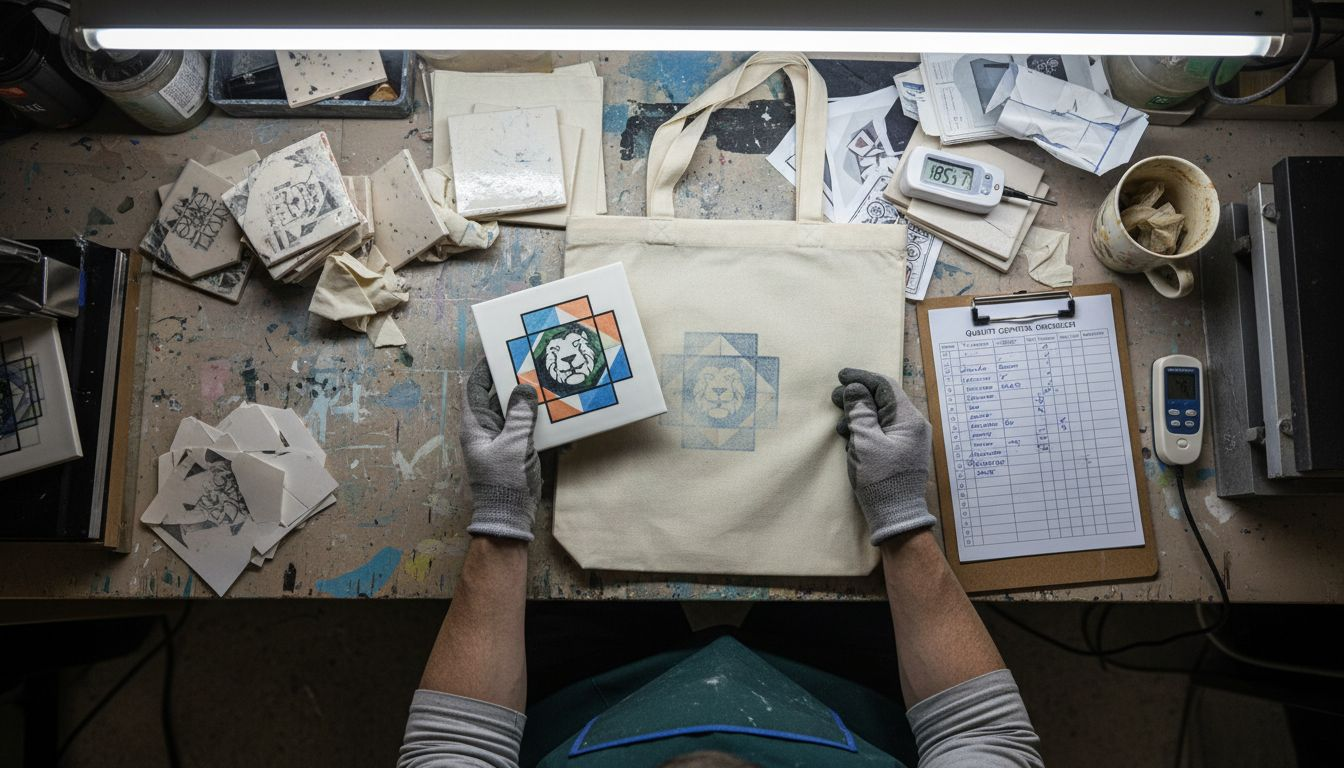
Sample printing reveals compatibility issues before bulk production. Order small quantities of each new blank type and test under your specific press settings. Temperature, pressure, and timing variations affect results dramatically across different materials and suppliers.
Heat testing validates durability claims. After initial printing, wash textile samples multiple times and expose hard surface blanks to typical use conditions. Document colour retention and coating adhesion over time to verify supplier quality claims.
Quality checklists standardise your evaluation process:
- Inspect blank surface for coating uniformity and defects before printing
- Test print at manufacturer recommended and adjusted temperature settings
- Evaluate colour accuracy against your design files immediately after transfer
- Check print adhesion by attempting gentle scratching of the transferred image
- Document results with photos and notes for future supplier comparisons
- Subject samples to real-world conditions matching intended product use
Waste reduction directly impacts profitability. The testing protocols to reduce waste approach cuts material waste by 25% through early defect detection. Catching problems before full production runs prevents expensive mistakes.
Supplier partnerships require transparent quality control. Choose wholesalers who provide coating specifications, stand behind defects, and offer flexible reorder terms. Communication quality often predicts long-term relationship success.
Pro Tip: Photograph every test print alongside your original design file. Build a reference library showing how each blank type and supplier performs with your specific equipment. This visual database speeds decision-making and troubleshooting when quality issues arise.
Summary comparison and situational picks
Comparing blank types side by side clarifies which materials suit your specific business goals. Different products require different material strengths, so matching blanks to applications maximises success.
| Blank Type | Cost Level | Durability | Print Quality | Shipping Risk | Best For |
|---|---|---|---|---|---|
| Ceramic | Low to Medium | Medium | Excellent vibrancy | High (fragile) | Personalised gifts, mugs, home décor |
| Metal | High | Excellent | Very good | Low | Premium awards, outdoor signage, luxury gifts |
| Wooden | Medium | Good | Moderate vibrancy | Medium | Artisan crafts, eco-conscious products, rustic décor |
| Textile | Low to Medium | Good | Excellent on polyester | Low | Custom apparel, sportswear, soft furnishings |
Businesses targeting personalised gift markets benefit most from ceramic blanks despite fragility concerns. The combination of excellent colour reproduction and affordable pricing fits gift shop economics perfectly.
Luxury branding and corporate markets justify metal blank investment. When customers prioritise longevity and premium presentation, the higher material cost supports stronger margins and reduces price competition.
Artisan craft sellers gain competitive advantage with wooden blanks. The natural aesthetic and eco-friendly positioning attract customers willing to accept lower colour vibrancy for sustainable material choices.
Apparel businesses require textile blanks for viable production. The wash durability and design flexibility create opportunities in the growing custom clothing market across UK and Ireland.
Supplier selection criteria matter equally to blank choice:
- No minimum order requirements support cash flow management
- UK or Ireland location reduces shipping times and costs
- Transparent quality specifications enable informed decisions
- Responsive customer service resolves issues quickly
- Competitive pricing without compromising material quality
Your sublimation blanks selection guide should balance material properties with supplier reliability. The cheapest blanks from problematic suppliers cost more through waste and delays than premium materials from dependable partners.
Explore subliblanks’ range for your sublimation projects
Growing your custom printing business requires reliable suppliers who understand small business needs. SubliBlanks serves UK and Ireland entrepreneurs with comprehensive sublimation blank ranges and flexible ordering that supports your cash flow.
Our trade wholesale approach eliminates minimum order quantities that trap capital. Test new products, respond to customer trends, and scale gradually whilst maintaining quality standards across ceramic, metal, wooden, and textile blanks.
Expert resources help you optimise production and reduce the 25% material waste common in sublimation businesses. Access tips for sublimation blanks and why choose sublimation blanks guidance developed for real-world UK and Ireland market conditions.
Quick shipping from our facility ensures you meet customer deadlines without holding excessive stock. Visit UK wholesale sublimation supplies to browse our complete product range and discover how proper blank selection transforms your sublimation printing results.
Frequently asked questions
What is the minimum polyester content needed for sublimation blanks?
Textile blanks require 100% polyester for optimal colour vibrancy and durability. Blends with 65% minimum polyester content produce acceptable but noticeably paler results. Hard surface blanks need specialised polymer coating rather than polyester content, as the coating provides the synthetic surface accepting sublimation inks regardless of base material.
Can I use sublimation blanks with any heat press?
Your heat press must accommodate the blank’s size and shape with even pressure distribution. Flat presses work for tiles, plates, and textiles, whilst mug presses require cylindrical heating elements wrapping around curved surfaces. Mismatched equipment produces uneven ink transfer and wasted materials, so verify dimensional compatibility before purchasing blanks.
How can I test blanks before full production?
Order small sample quantities and conduct test prints at various temperature and pressure settings. Document results with photographs comparing colour accuracy against design files. Subject samples to real-world conditions like washing for textiles or outdoor exposure for signage materials, then evaluate coating adhesion and colour retention over several weeks before committing to bulk orders.
Are metal sublimation blanks more expensive than ceramic?
Metal blanks cost significantly more due to material properties and specialised polymer coating requirements. However, superior durability, UV resistance, and premium market positioning justify higher retail prices that offset increased material costs. Choose metal when product longevity and luxury presentation matter more to your customers than initial purchase price.
Which sublimation blank is best for eco-conscious products?
Wooden blanks appeal most to environmentally aware customers through natural material aesthetics and renewable resource positioning. However, the polymer coating required for sublimation compatibility reduces overall environmental benefits. Clearly communicate this reality to customers whilst emphasising the renewable wood base and natural grain beauty that differentiate wooden products from synthetic alternatives.


