



A practical guide to product personalization for print shops
If you’re deciding how to produce personalised goods, the answer comes down to substrate: choose sublimation for polyester apparel and poly-coated drinkware, DTF for cotton and mixed fabrics, and UV printing, UV-DTF or laser engraving for hard goods and premium items. That’s the whole decision tree until you’ve picked a niche. Then it’s about proving the method works before you buy in bulk.
Order a small sample pack from a trade supplier such as SubliBlanks Ltd and run a wash and adhesion test before committing stock or cash to a new process.
- Sublimation: polyester textiles, poly-coated mugs, tiles, keyrings.
- DTF: cotton, blends, dark fabrics, curved or awkward garments.
- UV/UV-DTF: hard substrates, dark surfaces, phone cases, signage.
- Laser engraving: wood, metal, leather, glass, anything needing permanence.
Pro Tip: Never skip the wash test, even on a “durable” method. A print that survives one wash but fades by the fifth costs you a customer and a reprint.
Key Takeaways
Choosing the right personalisation method by substrate, then validating it with a sample and wash test, is what separates a profitable shop from a costly one.
| Point | Details |
|---|---|
| Match method to substrate | Sublimation for polyester, DTF for cotton and blends, UV or laser for hard goods. |
| Test before you scale | Run wash, adhesion and lightfastness checks on every new blank or method. |
| Price with a full formula | Include blank, consumables, labour, overhead, packaging and shipping before markup. |
| Combine methods deliberately | Pair laser engraving with UV printing for shaped, full-colour products competitors can’t easily copy. |
| Buy blanks with no minimums | Subliblanks supplies sublimation, DTF, UV and laser-engraving blanks and equipment with no minimum order, suited to sample-first testing. |
Table of Contents
- Guide to product personalization: comparing the main methods
- Substrate checklist: what to buy for each production method
- Building a repeatable shop workflow
- Kitting out a small trade shop: what to buy first
- Pricing personalised products without eating your margin
- Combining methods and knowing when to outsource
- Launch checklist for small shops and makers
- Getting your samples and supplies without the minimum order headache
- Sources
Guide to product personalization: comparing the main methods
Every method trades something off against something else, and knowing which trade-off you can live with is most of the decision.
Sublimation bonds dye directly into polyester fibres or polymer coatings, giving a soft handfeel and prints that won’t crack or peel. The catch: it only works on polyester or poly-coated substrates, so a cotton tote or a 50/50 blend is off the table. Shopify’s comparison of the two methods notes that DTF works across far more fabric types but the ink sits on the surface, which raises the risk of cracking or peeling over time.
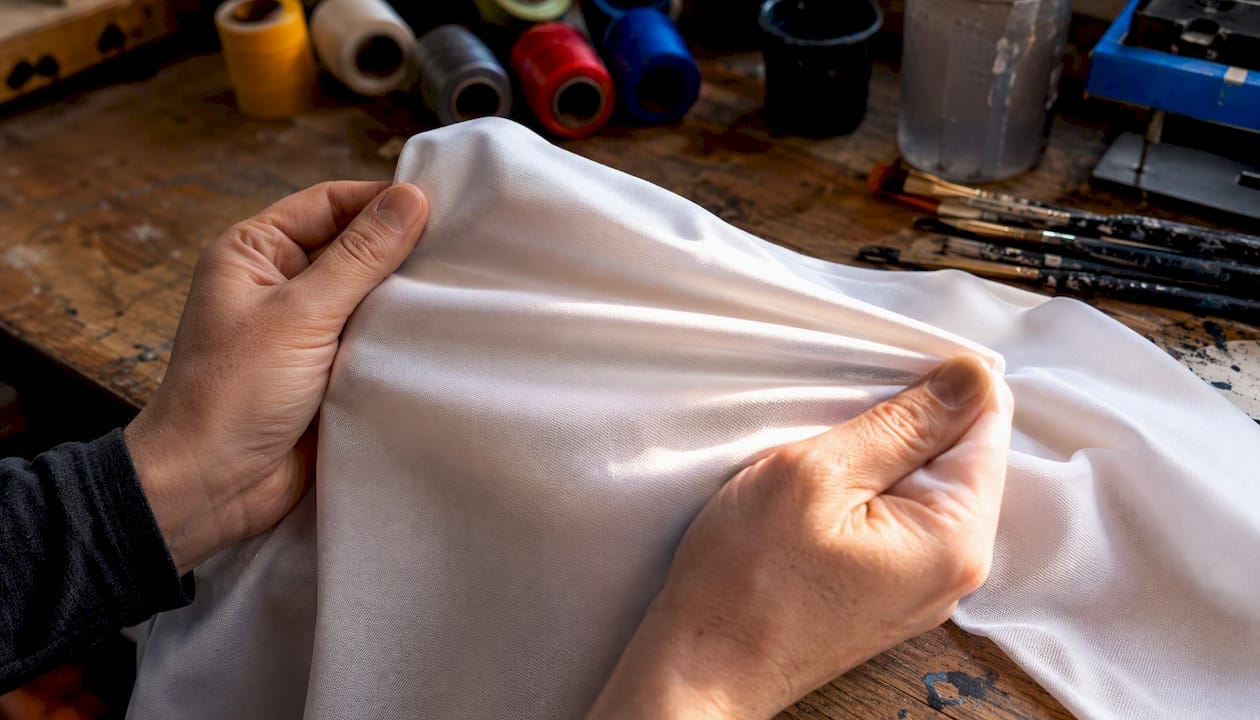
DTF covers cotton, blends and dark garments that sublimation can’t touch, and it’s genuinely useful when your product line spans multiple fabric types. Consumables (film, powder, ink) cost more per print than sublimation, and equipment maintenance is more involved.
UV printing and UV-DTF print directly onto hard, dark or uneven surfaces using a white underbase layer, opening up phone cases, plastics and painted metal. The Maker’s Chest points out that sublimation still wins on polyester apparel for handfeel and per-unit cost, but UV and UV-DTF fill the gap sublimation can’t reach.
Laser engraving etches permanently into wood, metal, glass and leather, ideal where wear resistance matters more than colour.
| Method | Best substrate | Durability | Setup cost |
|---|---|---|---|
| Sublimation | Polyester, poly-coated | Excellent, integrated | Low to moderate |
| DTF | Cotton, blends, dark fabric | Good, can crack over time | Moderate to high |
| UV/UV-DTF | Hard goods, dark surfaces | Very good | Moderate to high |
| Laser engraving | Wood, metal, glass, leather | Permanent | Moderate |
Substrate checklist: what to buy for each production method
Get the blank wrong and no amount of print skill saves the job. Match your equipment purchase to the materials your customers actually want, not the other way round.
- Sublimation: polyester apparel, poly-coated mugs, tiles, aluminium sheet, MDF with polymer coating.
- DTF: cotton, poly-cotton blends, canvas, some leathers.
- UV/UV-DTF: acrylic, glass, plastic, painted or anodised metal, dark-coloured hard goods.
- Laser engraving: hardwood, bamboo, stainless steel, anodised aluminium, genuine leather, glass.
Two combinations to avoid outright: sublimation on untreated natural cotton (the dye has nothing to bond to) and UV printing on dark substrates without a white underbase, which produces washed-out, muddy colour. Most jobs also need a finishing step, whether that’s a heat press cycle, a UV curing pass or a laminate layer, so budget time and kit for that stage too. Our guide to printing blanks for UK business owners breaks down material properties in more depth.
Pro Tip: Choose your blanks around what your product line needs, not around whichever printer happens to be cheapest this month. A £300 saving on hardware means nothing if half your blank range doesn’t fit your process.
Building a repeatable shop workflow
A production line that runs the same way every time is what separates a shop that scales from one that’s constantly firefighting reprints.
- Quote and approve artwork — confirm substrate, colours and sizing with the customer before anything touches the press.
- Produce a sample — especially for a new client or a new blank, per the standard sample-first approach recommended for print-on-demand sellers.
- Prepare blanks — clean, pre-press or pre-heat as the substrate requires.
- Print, transfer or engrave — following the settings validated in your sample run.
- Finish and cure — heat press, UV cure, or lamination depending on method.
- Quality check — inspect adhesion, colour match, handfeel, edge sharpness or engraving depth.
- Pack and dispatch.
Quick QC checklist by method:
- Sublimation: check for banding, colour shift, and full dye penetration at edges.
- DTF: check adhesive coverage and any cracking at fold lines.
- UV: check ink adhesion and underbase opacity on dark items.
- Laser: check depth consistency and charring on wood or leather.
Pressing and curing are usually where bottlenecks appear, particularly on batch days. Plan press time as your limiting factor, not printer output.
Kitting out a small trade shop: what to buy first
Buy for the jobs you’ll actually run in your first three months, not the jobs you might run eventually.
- Sublimation starter: a sublimation-capable printer (Epson and Ricoh both make widely used models in this category), a heat press, sublimation paper and polyester or poly-coated blanks.
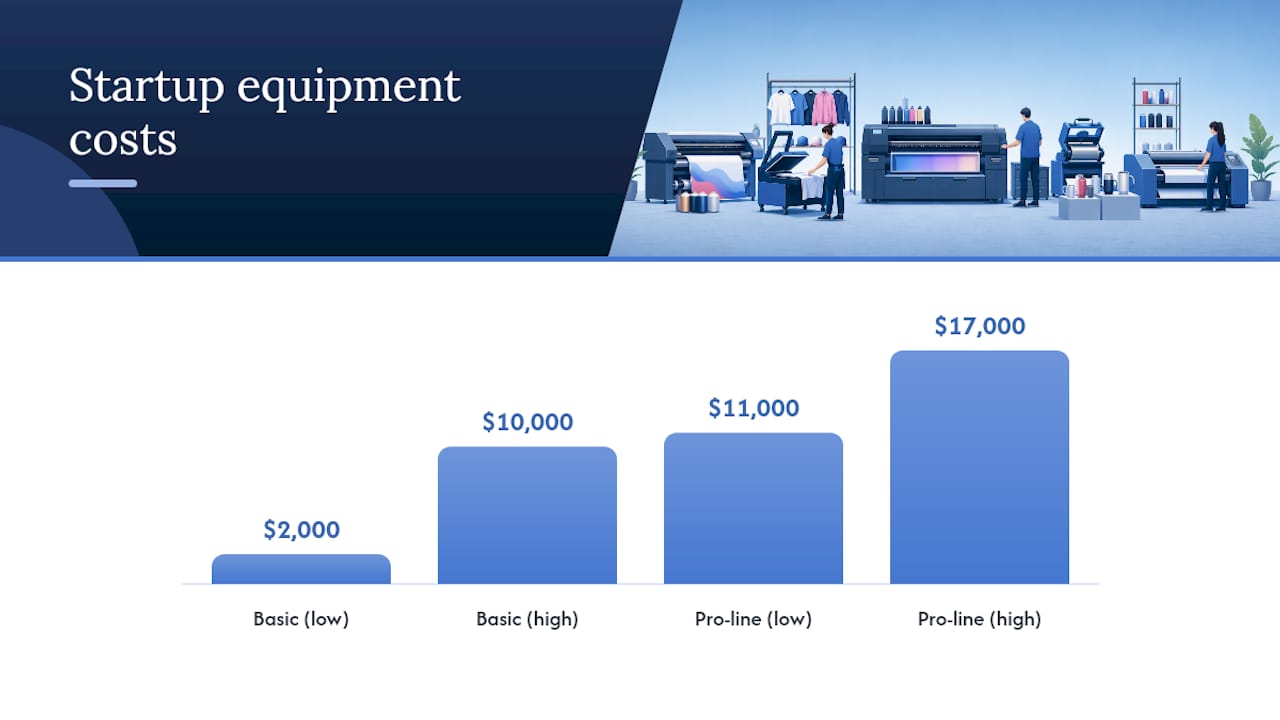
- DTF starter: a DTF printer, a powder shaker, a curing oven and a heat press. SHL Supply’s cost breakdown puts a basic setup at $2,000 to $10,000, with many shops eventually stepping up to an $11,000 to $17,000 pro-line as volume grows.
- UV starter: a UV printer, plus a laminator or rotary attachment depending on whether you’re printing flat or cylindrical items.
- Laser starter: a laser engraving machine such as an xTool model, paired with wood, acrylic or metal blanks suited to your niche.
Budget separately for consumables: ink, film, adhesive powder, sanding and sealing supplies, packaging, and spare parts for the machine that will inevitably need them at the worst possible time. A wholesaler like SubliBlanks supplying both equipment and consumables without minimum order quantities makes it easier to restock small amounts as you test a new line.
Pro Tip: Keep roughly two weeks of consumables in stock once you’re past the testing phase. Running out mid-batch and rush-ordering at retail price erodes margin fast.
Pricing personalised products without eating your margin
The formula is straightforward: blank cost + consumables + labour + overhead + packaging + shipping = total cost. Apply your target markup on top.
- Add up direct costs per unit (blank, ink/film, packaging).
- Add labour time at your real hourly rate, not a guess.
- Add a share of fixed overhead (rent, equipment depreciation, software).
- Apply markup to reach your target margin, then check it against what the market will bear.
For a single full-front printed T-shirt, a rough build might run: blank £3 to £6, consumables £1 to £3, labour and overhead £3 to £5, giving a total cost somewhere around £7 to £14 before markup. ZenBusiness notes product margins in this space commonly land between 20% and 40%, though the real figure depends heavily on your blank cost and fulfilment model, so treat any number as a starting point to verify against your own supplier pricing.
Offer volume discounts on gang-sheet DTF orders and B2B runs, but hold your line on rush jobs and bespoke one-offs. That’s where shops quietly lose margin.
Combining methods and knowing when to outsource
Pairing laser engraving with UV printing lets you produce shaped, full-colour items, think engraved wooden plaques with a printed insert, that single-technology competitors can’t easily copy. DTF operators with spare capacity can also sell printed gang sheets to other decorators, a useful secondary revenue line that improves machine utilisation and shortens payback on the equipment.
Outsource rather than invest when orders are sporadic, high in complexity, or unpredictable in volume. If new equipment wouldn’t pay for itself within a realistic ramp period, don’t buy it yet.
- Batch similar jobs together to cut press changeovers.
- Hire for finishing and pressing before you hire for design.
- Plan consumable reorders around your busiest production week, not your average one.
Pro Tip: Test a method combination on a small run of 10 to 20 units before listing it as a permanent SKU. Some combinations look great on paper but add ten minutes of handling per item.
Launch checklist for small shops and makers
- Pick one niche and resist the urge to stock every product type at once.
- Order core blank samples from a trade supplier such as SubliBlanks before committing to a full range.
- Run wash, adhesion and lightfastness tests, and document the results in case you need to raise a claim with a supplier later.
- Price every product using the cost formula above.
- Build five ready-to-sell SKUs rather than fifty half-tested ones.
- Set clear turnaround times and communicate them upfront.
- Check the material safety data sheet for any ink you’re using, particularly if you’re working near food-contact items.
- Niche and blanks first.
- Test and document.
- Price, list, launch.
Trade wholesaler perspective: why the sample comes before the sale
Too many shops buy equipment before they’ve proven a substrate works. Chris, from Subliblanks, has watched that mistake play out repeatedly: a supplier’s track record with sublimation blanks matters less than whether you tested the exact blank you’re about to scale.
Getting your samples and supplies without the minimum order headache
Most trade suppliers force you into bulk purchasing before you’ve even validated a substrate, which is exactly backwards for a shop still testing what sells. Subliblanks runs no minimum order quantity, so you can order a handful of poly-coated mugs, a few sublimation blanks, or a small run of laser-engravable panels to run your wash and adhesion tests without tying up cash in stock you haven’t proven yet.
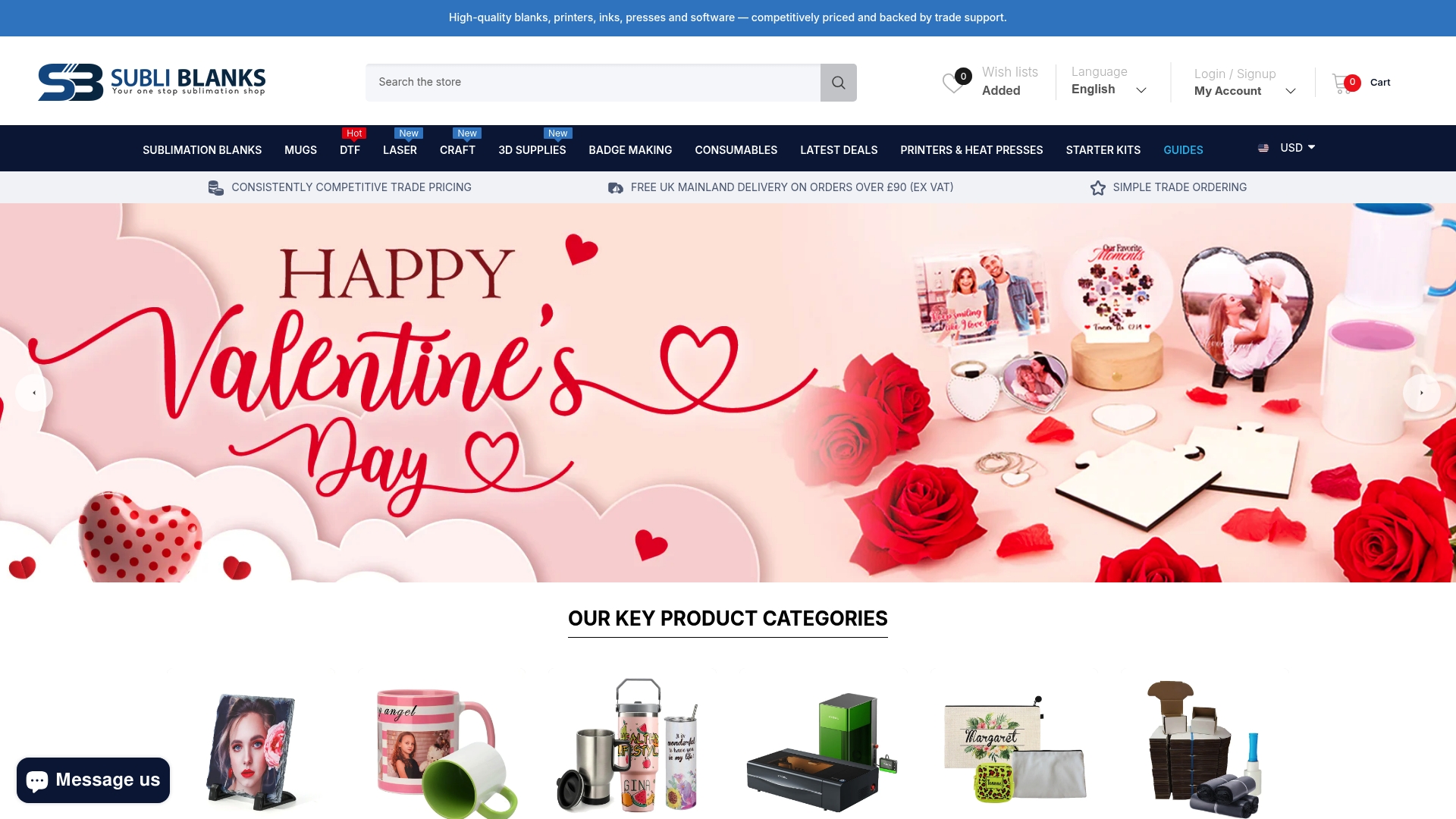
The SubliBlanks storefront covers the full production chain, blanks, inks, printers and finishing supplies, so once a sample passes your test you can reorder the same materials at trade pricing rather than switching suppliers mid-launch. If sublimation is your starting point, the Epson and Ricoh printer range is worth a look for a starter kit that matches the blanks you’ve already tested. Order your first sample pack, run the wash test outlined earlier, and build your first five SKUs from whatever survives it.
Sources
- Sublimation vs. DTF Printing: Which Is Right for Your Business? (2025) - Shopify
- How to Start a Print‑on‑Demand Store – Printful
- How to Start a DTF Printing Business in 2026: Costs & Profit | SHL
- UV Printing vs Sublimation vs UV DTF: Which Is Best for Your Business? — The Maker’s Chest
- How to Start a Print‑on‑Demand Store — ZenBusiness (2026)


