



What is transfer paper: essential guide for UK printers
Transfer paper often seems straightforward until you realise the variety of types, applications, and technical requirements involved. Many printing professionals initially underestimate its role in customisation workflows, leading to confusion about which type suits specific projects and how to achieve consistent, professional results. This guide clarifies what transfer paper is, how the transfer process works, the main types available, and practical applications that matter for your business. You’ll gain the knowledge needed to select appropriate materials, optimise your heat transfer processes, and understand the growing market opportunities in the UK custom garment sector.
Table of Contents
- Key takeaways
- What is transfer paper and how does it work
- Types of transfer paper and their applications
- Best practices for using transfer paper successfully
- Market trends and relevance of transfer paper in the UK
- Explore quality sublimation blanks and accessories
- What is transfer paper FAQ
Key Takeaways
| Point | Details |
|---|---|
| Transfer paper types | Transfer paper has multiple types and applications that affect accuracy and durability of designs. |
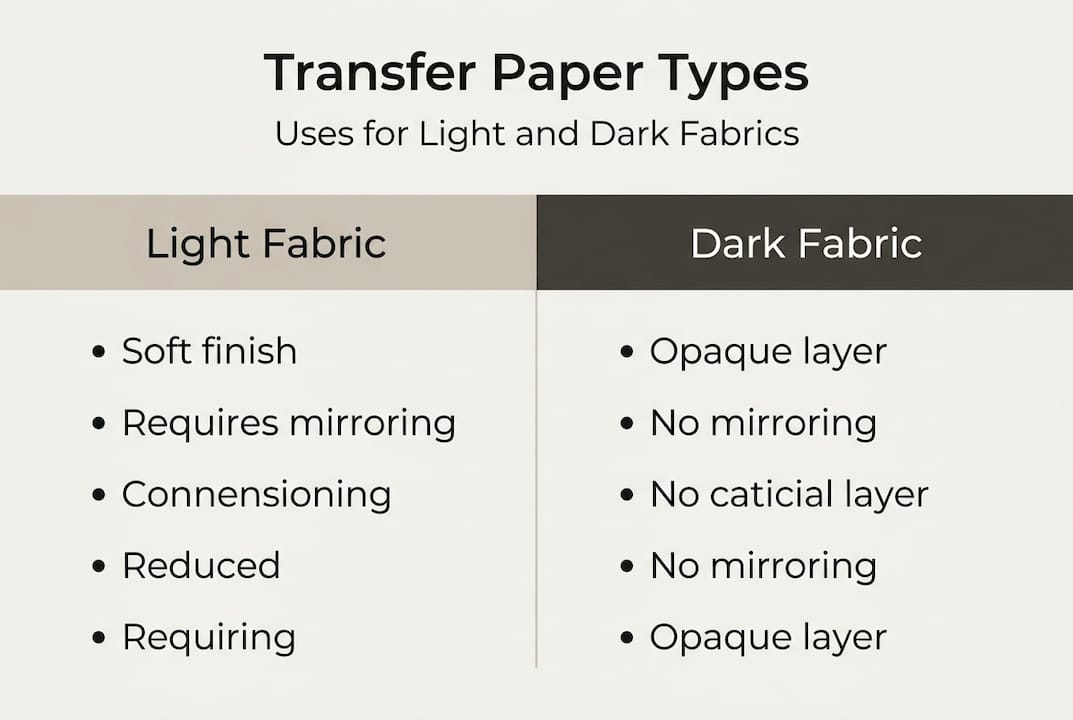
| Light and dark types | Light fabric paper uses a transparent coating and requires mirroring, while dark fabric paper uses an opaque backing and does not require mirroring. |
| Critical processing steps | Consistent results rely on proper printing, alignment, heat pressing, cooling and peeling. |
| UK market opportunities | The UK custom garment sector is expanding the use of heat transfer applications. |
What is transfer paper and how does it work
Transfer paper, specifically heat transfer paper, is a specially coated paper used to print designs via inkjet or laser printers, which are then transferred using heat and pressure. The coating allows ink absorption optimised for the transfer mechanism, creating prints that embed into fabric or other substrates when heat activated. Unlike standard printer paper, transfer paper’s surface chemistry ensures ink remains stable during heating whilst bonding effectively to the target material.
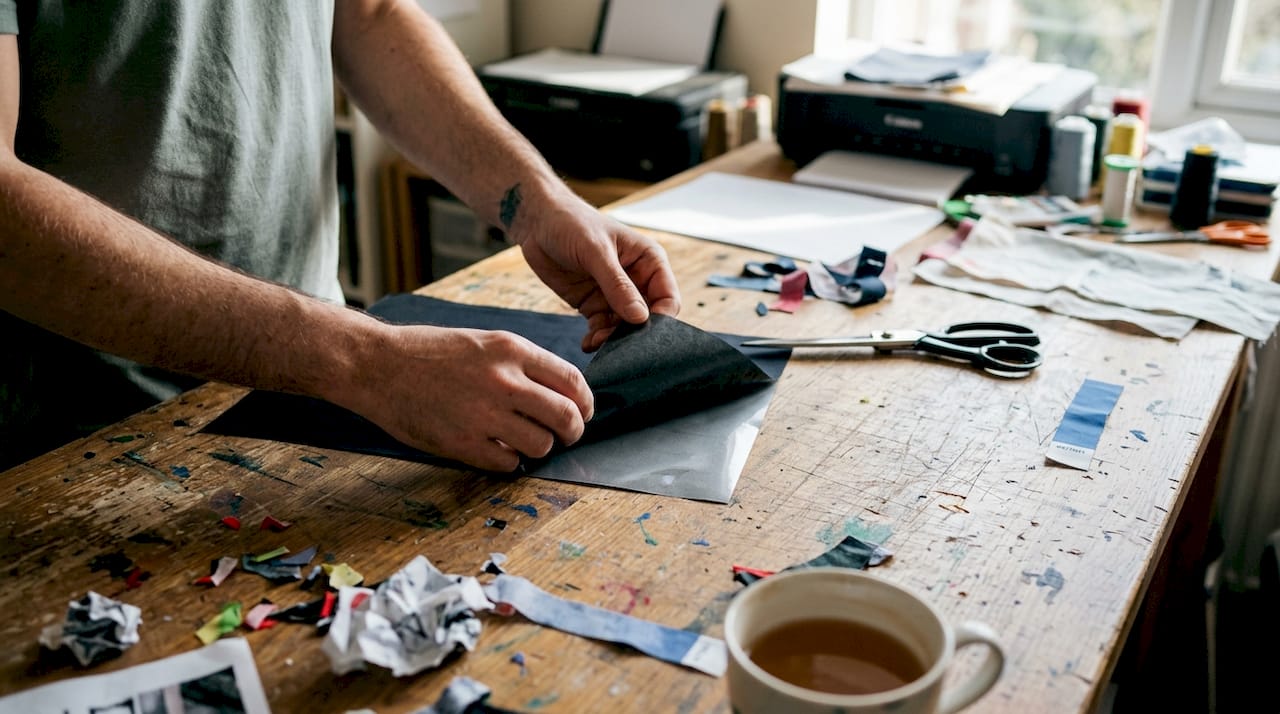
The transfer process involves several critical steps that determine final quality. You print your design onto the transfer paper using compatible printers, mirror the image if working with light fabric paper, position the printed sheet against your substrate, then apply controlled heat and pressure. Heat transfer printing typically uses dedicated heat presses rather than household irons because precise temperature and pressure control prevent common failures like incomplete transfers or scorched materials.
Heat presses provide the consistent conditions necessary for professional results. Temperatures typically range between 160°C and 200°C, with pressure settings adjusted based on substrate thickness and transfer paper specifications. The heating duration varies from 15 to 45 seconds depending on materials used. After heating, cooling the substrate before peeling ensures the transferred ink has properly bonded, preventing premature lifting or cracking.
Pro tip: Always verify your printer’s compatibility with your chosen transfer paper type before purchasing bulk supplies, as inkjet and laser printers require different paper formulations to avoid print quality issues and equipment damage.
The complete transfer workflow follows this sequence:
- Select appropriate transfer paper for your substrate colour and printer type
- Configure printer settings according to manufacturer specifications for optimal ink density
- Print your design, mirroring the image if using light fabric paper
- Trim excess paper around your design to prevent unwanted marks
- Position the transfer paper precisely on your substrate with the printed side facing correctly
- Apply heat and pressure using a calibrated heat press for the specified duration
- Allow the substrate to cool completely before handling
- Peel the backing paper carefully at the recommended angle and speed
Types of transfer paper and their applications
Understanding transfer paper categories helps you match materials to project requirements. The two primary types serve distinct purposes based on fabric colour and desired finish. Light fabric transfer paper features a transparent coating ideal for white or light-coloured fabrics and requires design mirroring. Dark fabric transfer paper includes an opaque white backing designed for dark fabrics and does not need mirroring. Each type affects final print opacity, colour vibrancy, and the tactile feel of transferred designs.
Light fabric paper works by allowing the fabric’s base colour to show through transparent areas of your design, creating a soft, integrated appearance. This transparency means any unprinted areas remain invisible after transfer, producing a professional finish without noticeable borders. However, this same property makes light paper unsuitable for dark substrates where design elements would appear faded or invisible.
Dark fabric paper solves this limitation by incorporating a white polymer layer that sits between your printed design and the dark fabric. This backing ensures colours remain vibrant and opaque regardless of substrate colour. The trade-off involves a slightly thicker feel and visible borders around your design unless you cut precisely to the printed area. The polymer layer also affects washing durability and requires different peeling techniques compared to light paper.
| Feature | Light fabric paper | Dark fabric paper |
|---|---|---|
| Best for | White and light-coloured fabrics | Dark and coloured fabrics |
| Transparency | Transparent coating | Opaque white backing |
| Mirroring required | Yes, design must be flipped | No mirroring needed |
| Feel after transfer | Soft, integrated texture | Slightly thicker polymer layer |
| Border visibility | No visible borders | Borders visible unless trimmed |
| Typical applications | Professional garments, fine detail work | Bold designs on dark clothing |
Choosing the appropriate transfer paper type requires evaluating several factors:
- Fabric colour determines whether light or dark paper achieves better colour accuracy
- Printer compatibility affects ink adhesion and transfer quality
- Heat press capabilities influence temperature and pressure settings available
- Durability requirements guide selection between paper types with different washing resistance
- Design complexity impacts whether fine details transfer successfully
- Production volume considerations affect cost per transfer calculations
Pro tip: Run test prints on scrap fabric before committing to large production runs, allowing you to verify colour accuracy, optimal heat settings, and peeling techniques specific to your equipment and materials combination.
The applications of heat press technology extend beyond basic garment decoration. Professionals use transfer paper for personalised merchandise, promotional items, custom sportswear, and small-batch fashion production. Understanding DTF printing alternatives helps contextualise when transfer paper offers advantages over other decoration methods, particularly for businesses without significant capital investment in specialised equipment.
Best practices for using transfer paper successfully
Achieving consistent, professional results requires attention to preparation, application technique, and finishing procedures. Before printing, verify your printer settings match the transfer paper manufacturer’s recommendations for ink density, paper type selection, and print quality mode. Incorrect settings cause problems ranging from poor ink adhesion to smudged designs that waste materials and time.
Mirroring remains essential for light fabric paper designs to appear correctly after transfer. Most design software includes horizontal flip functions, but verifying the preview before printing prevents costly mistakes. Dark fabric paper does not require mirroring because you apply it face-up during transfer, with the printed side visible throughout the process.
Heat press temperatures typically range from 160°C to 200°C, with pressure set to medium or high levels for 15 to 45 seconds depending on substrate thickness and transfer paper specifications. These parameters vary between manufacturers, making it crucial to follow specific guidance for your materials. Insufficient heat or pressure causes incomplete transfers with poor adhesion, whilst excessive heat damages fabrics or causes colour shifts in printed designs.
Cooling the substrate before peeling ensures design adhesion and longevity. Premature peeling whilst the transfer remains hot often lifts ink or causes cracking, particularly with dark fabric paper’s polymer layer. Most transfers require cooling to room temperature, though some quick-peel varieties allow earlier removal. Testing reveals the optimal peeling point for your specific materials.
The complete application process follows this sequence:
- Preheat your substrate using the heat press to remove moisture and wrinkles
- Position the transfer paper precisely, securing edges with heat-resistant tape if needed
- Close the heat press and apply pressure for the specified duration
- Open the press immediately after the timer completes to prevent over-heating
- Allow the substrate to cool completely on a flat surface
- Peel the backing paper slowly at a consistent angle, watching for any lifting
- If lifting occurs, reapply heat briefly and attempt peeling again
- Inspect the transferred design for completeness before final handling
Common pitfalls that compromise transfer quality include:
- Incorrect heat settings that either under-cure or damage the transfer
- Insufficient pressure causing incomplete ink bonding
- Peeling too early before adequate cooling
- Using incompatible printer ink types with your transfer paper
- Failing to preheat substrates, trapping moisture that creates bubbles
- Neglecting to mirror designs on light fabric paper
Pro tip: Use a Teflon sheet during pressing to protect both your fabric and transfer paper from direct heat plate contact, extending the life of your transfers and preventing potential scorching or sticking issues.
Understanding transfer paper application in sublimation workflows provides broader context for heat transfer techniques. Professional sublimation transfer processes share similar principles of controlled heat and pressure application, though the chemistry differs significantly. Transfer paper offers advantages for natural fabrics where sublimation proves unsuitable, making it a versatile option for diverse customisation projects.
Market trends and relevance of transfer paper in the UK
The UK custom garment sector demonstrates significant reliance on heat transfer technologies. Custom garments represent 47% of heat transfer applications, indicating substantial market penetration and ongoing demand for transfer paper solutions. This concentration reflects the technology’s suitability for short-run production, personalisation services, and businesses serving niche markets where digital printing or screen printing prove economically unfeasible.
Global market projections indicate continued growth through 2032, with the heat transfer market expanding from USD 12.94 billion in 2024 to USD 17.44 billion by 2032. The UK market specifically shows a 5.94% annual growth rate, suggesting expanding opportunities for printing professionals who adopt transfer paper technologies. This growth stems from increasing consumer demand for personalised products, the rise of small-batch fashion brands, and growing accessibility of heat press equipment for small businesses.
| Market metric | 2024 value | 2032 projection | Annual growth rate |
|---|---|---|---|
| Global heat transfer market | USD 12.94B | USD 17.44B | Growth to 2032 |
| UK custom garment share | 47% of applications | Expanding | 5.94% annually |
| Market drivers | Personalisation demand | Small-batch production | Equipment accessibility |
The heat transfer paper market’s trajectory from USD 12.94 billion in 2024 towards USD 17.44 billion by 2032 reflects fundamental shifts in manufacturing and consumer preferences, with the UK’s 5.94% annual growth rate positioning it as a significant regional market for professionals investing in transfer technologies.
Understanding UK heat transfer market dynamics helps businesses position themselves strategically within this growing sector. The combination of low entry barriers, minimal order quantities, and diverse application possibilities makes transfer paper particularly attractive for startups and established businesses expanding service offerings. Awareness of UK garment printing trends provides competitive intelligence about emerging techniques and market segments worth targeting.
The growth rate suggests sustained viability for transfer paper despite competition from alternative decoration methods. Businesses that master transfer paper techniques whilst monitoring technological developments position themselves to serve both traditional custom garment markets and emerging applications in promotional products, interior decoration, and personalised gifts. The relatively modest capital investment required compared to industrial printing equipment makes transfer paper accessible to businesses at various scales.
Explore quality sublimation blanks and accessories
Once you understand transfer paper fundamentals, sourcing compatible materials and protective accessories becomes essential for production efficiency. Quality substrates designed specifically for heat transfer applications ensure consistent results and customer satisfaction. SubliBlanks supplies sublimation blanks including round MDF name badge pins and MDF name badge magnets suited for custom heat transfer projects requiring rigid substrates rather than fabric bases.
Protective accessories extend equipment life and improve transfer quality. Heat press Teflon sheets prevent direct contact between heat plates and transfer papers, eliminating sticking problems whilst distributing heat more evenly across your design. These sheets withstand repeated high-temperature exposure, making them cost-effective investments for businesses processing multiple transfers daily. Having compatible materials readily available streamlines your workflow and reduces delays caused by sourcing issues.
What is transfer paper FAQ
What surfaces can transfer paper be used on?
Transfer paper works primarily on fabric substrates including cotton, polyester blends, and canvas materials. Some specialised varieties suit plastics, wood, and metal surfaces, though these require specific formulations and heat settings different from standard fabric papers. Always verify compatibility before attempting transfers to non-fabric materials.
Is mirroring always necessary when printing on transfer paper?
Mirroring is only required for light fabric transfer paper to ensure designs appear correctly after transfer. Dark fabric transfer paper does not need mirroring because you apply it with the printed side facing up during heat pressing. Verify your paper type before printing to avoid wasting materials on incorrectly oriented designs.
What are the ideal heat press settings for transfer paper?
Most transfer papers require temperatures between 160°C and 200°C with medium to high pressure applied for 15 to 45 seconds. Exact settings depend on your specific paper brand, substrate type, and equipment capabilities. Manufacturer guidelines provide starting points, but test transfers help identify optimal settings for your particular combination of materials and equipment.
Can transfer paper be reused after the initial transfer?
Transfer paper is designed exclusively for single-use applications. The coating and ink bond permanently to your substrate during the heat transfer process, leaving the backing paper without transferable material. Attempting to reuse transfer paper produces no results and may damage your substrate or equipment.
How does transfer paper compare to direct-to-garment printing?
Transfer paper offers greater versatility for small batches and mixed fabric types without significant equipment investment compared to direct-to-garment systems. However, direct-to-garment printing typically provides softer hand feel and potentially better washing durability for high-volume production. Transfer paper excels for businesses serving diverse markets with varying design requirements and lower production volumes.
Recommended
- What Is Heat Transfer Printing? 30% Better Colour UK SMEs – SubliBlanks Ltd
- Sublimation Blanks Selection Guide 2026: Cut Waste 25% – SubliBlanks Ltd
- 6 Essential Items for Your Sublimation Equipment List – SubliBlanks Ltd
- Role of Heat Press in Production: Boosting Efficiency and Quality – SubliBlanks Ltd


