



Order One Sample, Not a Pallet: Buy Blanks With No Minimum
Yes. Much of the wholesale apparel and blanks trade now sells with no minimum order quantity, meaning you can buy a single hoodie, one sublimation mug, or a mixed sample pack instead of committing to a pallet. The practical move is simple: order a small sample run from a supplier like Subliblanks to test print quality before scaling up.
TL;DR:
- No-minimum order policies are common across wholesale blanks, allowing testing of designs with just one or a few items before larger commitments.
- Suppliers with explicit no-minimum policies typically specify fabric types and print method compatibility to avoid mismatching substrates for specific decoration techniques.
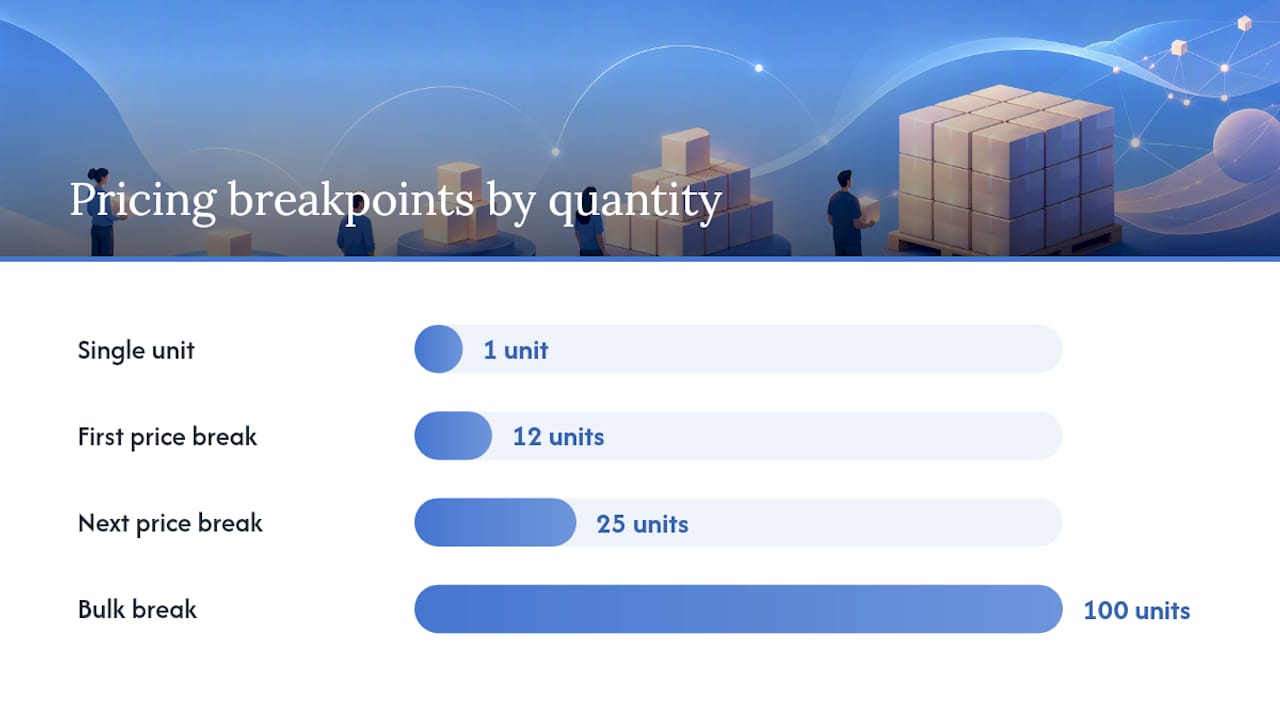
- Pricing tiers usually step down at specific quantities like 12, 25, or 100 units, and mixing sizes or colors within one order often still qualifies for bulk rates.
- Shipping costs often include free thresholds around $50 to $75, with warehouse locations and rush options influencing delivery times and expenses.
- Quality checks such as confirming fabric details, print suitability, and testing a sample garment are essential before committing to a small order.
Table of Contents
- Where to buy no minimum order blanks: channels and what each does best
- How do you choose a supplier for a small order?
- Which blanks suit sublimation, DTF, DTG, and screen print?
- What should you expect on shipping costs and pricing for small orders?
- From the trade: how a no-minimum wholesaler works in practice
- If you want a direct no-minimum supplier: how Subliblanks can help
- Sources
Where to buy no minimum order blanks: channels and what each does best
Not every route to blank apparel works the same way, and picking the wrong one wastes money before you have printed a single item.
Direct wholesalers and specialist blank retailers are the most straightforward option. Many now accept orders with no minimum quantity and let you buy a single garment at close to bulk pricing, which suits anyone testing a design before committing stock.
Print-on-demand platforms solve a different problem: zero inventory. You upload artwork, a third party prints and ships per order, and you never touch stock. That works for gifts and one-off runs but usually means thinner margins than buying blanks outright and printing yourself.
Local print shops and trade suppliers fill the gap in between, particularly useful when you need something same-week rather than shipped.
- No-MOQ wholesalers: best for testing a design across a handful of garments before a bigger buy
- Print-on-demand: best when you want zero inventory risk and don’t mind lower margins
- Local print shops: best for rush jobs, one-off gifts, or small runs under tight deadlines
- Trade suppliers with sample services: best for sourcing fabric swatches before ordering colour or size ranges
Some suppliers now bundle DTF transfers or sublimation add-ons into the same checkout as the blank itself, which removes a step for anyone running a small operation without a dedicated print setup.
How do you choose a supplier for a small order?
Checking a supplier’s small-order credentials before you pay saves far more time than it costs. A handful of checks separate a supplier who genuinely serves low-quantity buyers from one who just tolerates them.
Run through this before placing your first order:
- Confirm the no-minimum policy is explicit. Look for it stated plainly on the product or shipping page, not implied by an empty “quantity” box.
- Check the fabric specification. Fibre content and weight (gsm) tell you whether a blank suits sublimation, DTF, or screen print.
- Ask which print methods the blank is rated for. A polyester tee built for sublimation will behave very differently under a screen-print press.
- Read the shipping and returns terms. Note thresholds, warehouse locations, and whether a mis-sized or faulty item can be returned.
- Check lead times against your deadline. Small orders can sit lower in a fulfilment queue than bulk ones at busy suppliers.
- Contact customer support with one real question before ordering. Response speed and clarity here usually predict what happens if something goes wrong later.
Trust signals matter more with a new supplier than a familiar one. Cross-check reviews on Trustpilot or the Better Business Bureau before handing over payment details, since these platforms tend to surface recurring sizing or fulfilment problems faster than a vendor’s own testimonials page.
Pro Tip: Order one sample garment and ask for a test-print photo on that exact fabric batch before you commit to colours or sizes for a full small run. Dye lots and fabric coatings can vary between batches even at the same supplier.
Which blanks suit sublimation, DTF, DTG, and screen print?
Getting the fabric wrong for your print method is the single most common way small buyers waste a first order. Each decoration method needs a different substrate, and no amount of good artwork fixes a mismatch.
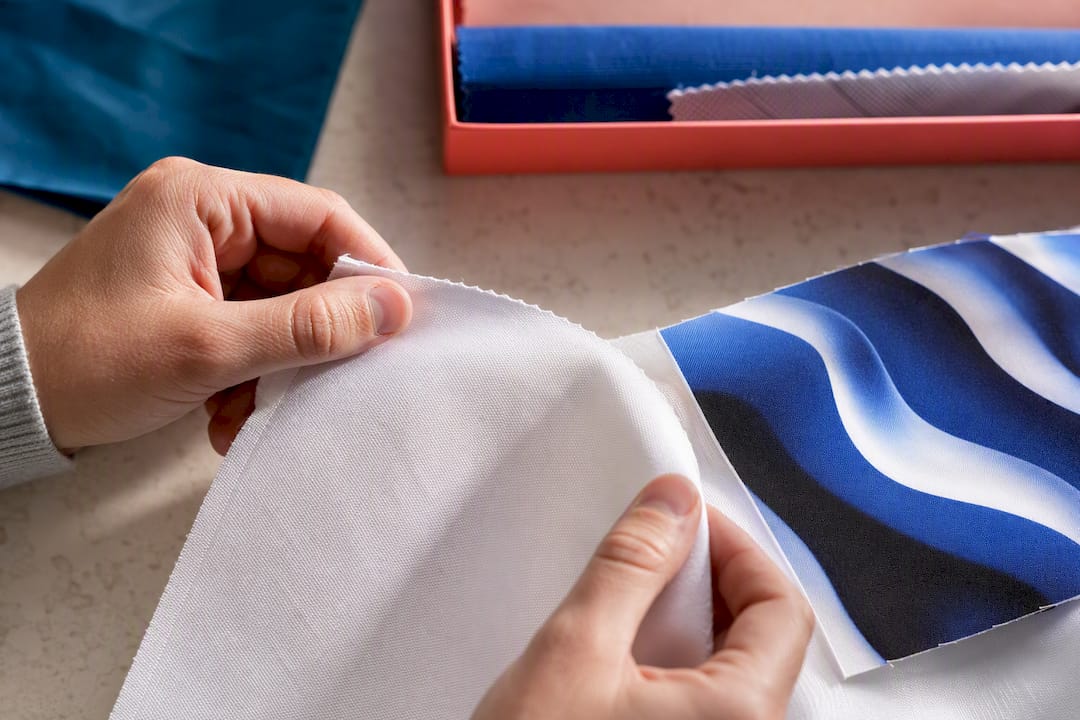
- Sublimation blanks: need polyester or a poly-coated surface. Ink bonds to polyester fibres under heat; on cotton, it simply washes out. Sublimation suppliers routinely sell single samples specifically so buyers can confirm colour vibrancy on their exact fabric before ordering more.
- DTF-ready blanks: work across cotton, polyester, and blends, since the design transfers as a film rather than soaking into the fibre. This flexibility is why DTF has become the default for mixed-fabric small orders.
- DTG blanks: need high cotton content (ideally 100%) for ink to sit properly. Digital printing services commonly allow single-piece customisation because there’s no setup cost to spread across a run.
- Screen print blanks: work on almost any woven or knit fabric, but the method itself resists small orders. Setup costs mean screen printing usually needs a minimum run, often around a dozen pieces, to make financial sense.
Weight matters as much as fibre content. A 180gsm polyester tee sublimates differently to a heavier 220gsm piece, and pre-treated blanks (common in DTG) behave differently again if the coating has degraded in storage. Reading a fabric guide on sublimation blanks before buying stops a lot of wasted first orders.
What should you expect on shipping costs and pricing for small orders?
Unit price on a single garment will always look worse than the bulk rate, but a few habits close that gap without forcing you to buy stock you don’t need.
Most no-minimum suppliers set a free shipping threshold, often somewhere in the $50 to $75 range for domestic orders, so a mixed sample pack that clears that line often costs the same to ship as a single item. Warehouse location affects this too; checking a supplier’s shipping policy for stated lead times avoids a nasty surprise if you’re working to a launch date.
- Pricing tends to step down in tiers, not gradually. Expect a noticeable price break at quantities like 12, 25, and 100 rather than a smooth curve.
- Mixing sizes and colours within one order usually still qualifies for that first pricing tier, so you can test a small range without paying single-unit prices on each variant.
- Rush or next-day shipping is common on no-minimum orders, but it’s priced separately, so budget for it if a deadline is tight.
- Ordering a sample pack before your real batch adds a few days upfront but tends to save far more time fixing a bad print run.
From the trade: how a no-minimum wholesaler works in practice
Working as a no-minimum wholesaler, Subliblanks sees the same pattern repeat across sublimation blanks, DTF supplies, and laser-engraveable blanks: buyers want to test before they commit. A print shop trialling a new mug design, a maker sizing a seasonal drop, or someone testing market demand before investing in a printer, all need the same thing. One unit, priced fairly, shipped without a wait for a minimum to fill.
That’s the entire premise behind removing minimums from a trade catalogue rather than reserving low quantities as a workaround.
— chris*
If you want a direct no-minimum supplier: how Subliblanks can help
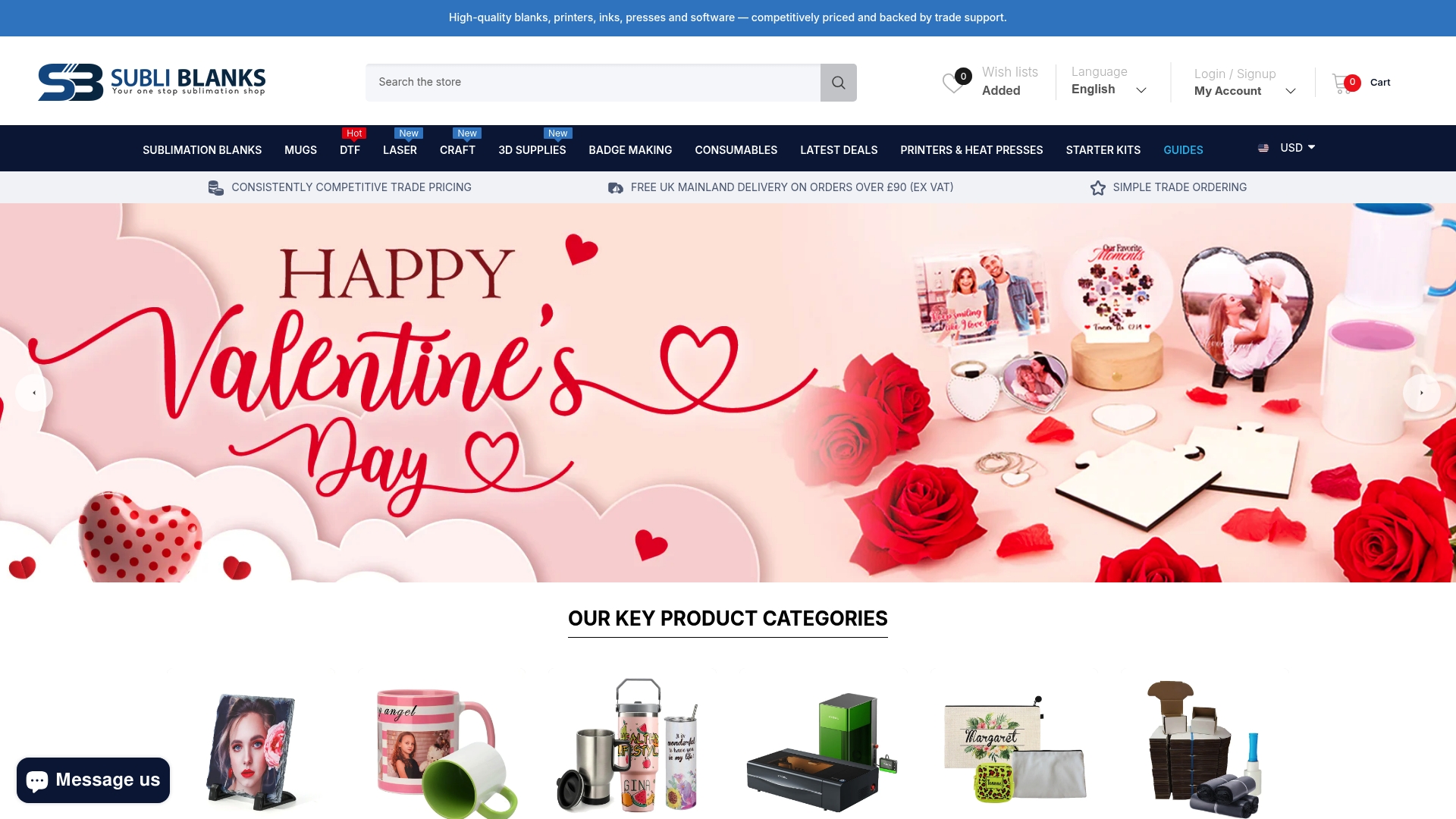
You’ve now seen the checklist, the fabric rules, and the pricing tiers. The next question is simply where to start, and that’s exactly what Subliblanks is built for. As a trade wholesaler with no order minimums across sublimation blanks, printers, DTF supplies, badge and stamp-making equipment, and laser-engraveable blanks, Subliblanks lets you order one piece to test a design without a sales rep, a quote request, or a bulk commitment standing in the way.
Before you place a first order anywhere, run through this:
- No minimum order quantity on any product line
- A trade catalogue covering sublimation, DTF, laser engraving, and packaging in one checkout
- Sample-sized orders available for fabric and print testing before scaling up
If a printer is the missing piece rather than the blank itself, the sublimation printer range covers Epson and Ricoh models suited to small operations. Otherwise, start on the Subliblanks catalogue and order a sample batch this week rather than waiting to size up a full order first.
Sources
- Wholesale Blank Apparel | Bulk Pricing & Next Day Shipping
- Ooshirts
- Sublimation shirt blanks | No minimums & wholesale pricing
- Trustpilot review pages for blank apparel sellers


