



Laser engravable blanks examples for UK makers
TL;DR:
- Choosing the right blank is essential for achieving optimal laser engraving results on various materials such as wood, acrylic, metal, slate, and leather. Understanding each material’s behavior and testing settings systematically ensures durability, quality, and customer satisfaction. Matching blanks to your laser type, project purpose, and budget maximizes efficiency and product appeal.
Choosing the right blank for a laser engraving project sounds straightforward until you are standing in front of dozens of options and second-guessing every decision. Wood, acrylic, metal, slate, leather — each material behaves differently under the beam, produces a different finish, and suits a different market. Whether you are selling personalised gifts at a local market, producing branded merchandise for corporate clients, or just getting started with a new xTool machine, understanding laser engravable blanks examples in real terms makes all the difference between a crisp result and a wasted blank.
Table of Contents
- Key takeaways
- 1. Wooden laser engravable blanks examples
- 2. Acrylic laser engravable blanks examples
- 3. Metal and anodised aluminium laser engravable blanks examples
- 4. Slate and leather laser engravable blanks examples
- 5. Comparison table and selection guidance
- What I have actually learned from working with these materials
- Stock your workshop with the right laser engravable blanks
- FAQ
Key takeaways
| Point | Details |
|---|---|
| Match blank to laser type | CO2 lasers suit wood and acrylic; fibre lasers handle bare metals; diode lasers work on wood, leather, and coated metals. |
| Start with lower power settings | Incremental power increases from a lower baseline produce cleaner, more precise results than going in at full power. |
| Pre-made versus raw sheets | Pre-made blanks speed up production and are gift-ready; raw sheets offer lower cost and batch flexibility. |
| Material affects longevity | Laser-engraved marks are permanent and durable, outlasting print or sublimation decoration on most materials. |
| Test before committing | Always run a scratch test on a scrap piece of each new blank before processing your full batch. |
1. Wooden laser engravable blanks examples
Wood is the most popular starting point for anyone new to laser engraving, and for good reason. It responds beautifully to a CO2 beam, produces a rich contrast, and covers an enormous range of product types. The most common wooden blank types you will encounter are plywood, MDF, and solid hardwoods such as oak, walnut, and cherry.
Plywood is the workhorse of the craft world. It is affordable, widely available, and cuts cleanly. However, the adhesive layers between plies can cause inconsistent burns, so plywood requires sufficient power to penetrate those layers without scorching the surface. MDF offers a finer, more uniform surface that is ideal for signage and plaques, though it lacks the natural grain character that makes hardwood products feel premium. Hardwoods, meanwhile, have higher power thresholds and engrave with a distinctly warm, high-contrast result.
Popular wooden blank products include keychains, ornaments, coasters, plaques, serving boards, and name badges. These shapes arrive pre-cut and ready for engraving, which means faster turnaround for sellers.
Advantages of wooden blanks:
- Natural grain adds character and warmth to every piece
- Wide range of pre-made shapes readily available in the UK
- Excellent contrast between engraved and natural surface
- Compatible with most CO2 and diode laser machines
Disadvantages:
- Susceptible to moisture and warping if not sealed
- Plywood can produce uneven results near adhesive layers
- Some hardwoods can be costly at scale
Pro Tip: Use high-pressure air assist when engraving wood to prevent flare-ups and clear away debris. This keeps your engraving lines sharp and reduces the risk of scorching the surrounding surface.
For a deeper look at preparing these materials before you engrave, the essential guide for UK makers from Subliblanks covers material readiness in practical detail.
2. Acrylic laser engravable blanks examples
Acrylic is where laser engraving gets genuinely exciting. The material produces a frosted, opaque finish when engraved, which contrasts sharply with the clear or coloured background. That contrast is what makes acrylic blanks so popular for signage, awards, keyrings, and display pieces.
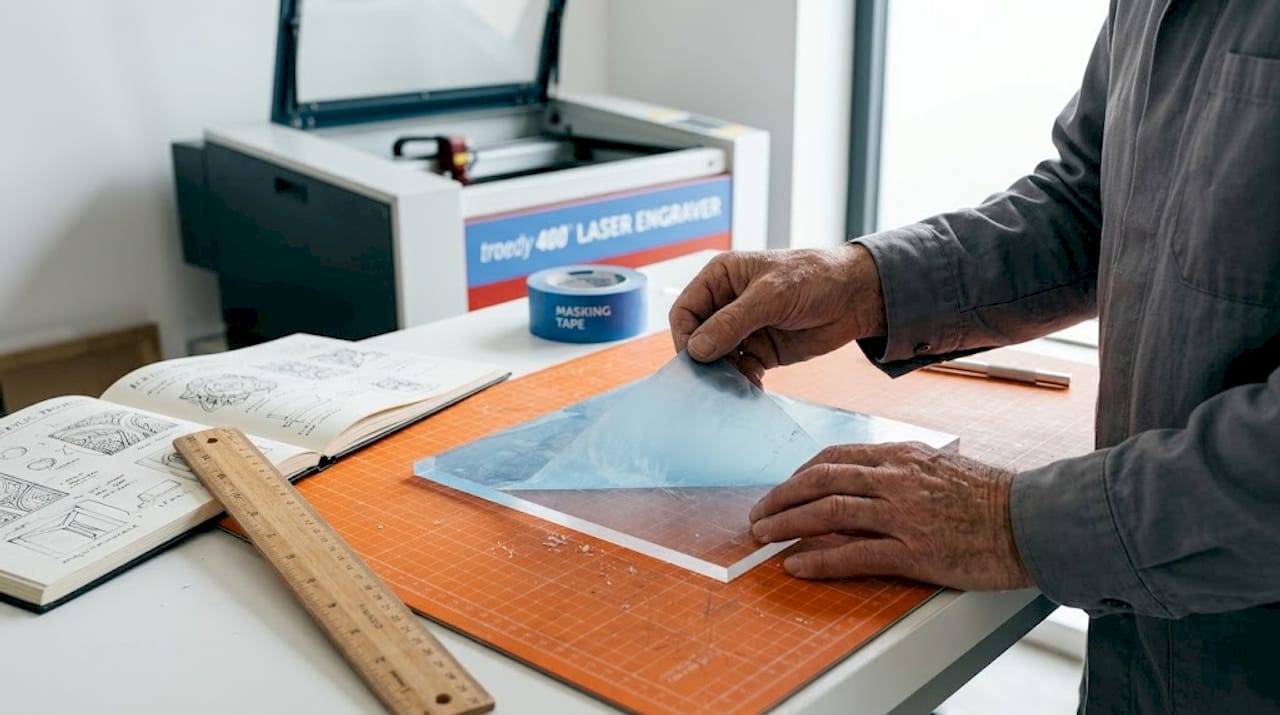
There are two types of acrylic you need to know: cast and extruded. Cast acrylic engraves to a bright white frost. Extruded acrylic tends to engrave less cleanly and can appear more transparent at the engraved area. For most decorative or commercial applications, cast acrylic typically 3mm thick is the go-to choice. Thickness matters too. Thicker acrylic (6mm and above) suits freestanding signage and awards, while 2mm to 3mm works well for keyrings and overlays.
A CO2 laser running at around 12 to 20% power produces clean frosting on acrylic without melting the surface. Cutting acrylic requires more power and slower speeds, and this is where air assist becomes critical. Use gentle air rather than high pressure, because high air pressure can create ripples in the melted edges and compromise your cut quality.
Popular acrylic blank types:
- Clear and coloured keyrings
- Frosted signage panels
- Award plaques and trophies
- Personalised coasters
- Cake toppers and event decorations
Common pitfalls:
- Using extruded acrylic and getting a disappointing, transparent engrave
- Running too much air assist and ruining cut edges
- Setting power too high and melting fine detail areas
Pro Tip: Always engrave acrylic with the protective masking film left on. It keeps the surface scratch-free during handling and can reduce smoke residue settling into engraved lines.
3. Metal and anodised aluminium laser engravable blanks examples
Metal blanks are where the lines between laser types matter most. A standard CO2 laser cannot engrave bare metal directly. For steel, brass, or bare aluminium, you need a fibre laser. However, anodised aluminium is the exception that makes metal engraving accessible to CO2 and diode laser users. The anodising layer is what the laser actually ablates, exposing the bright metal beneath and creating a permanent, high-contrast mark.
Anodised aluminium sheets 0.5 to 1mm thick are used for everything from business cards and luggage tags to wall plaques and desk signs. Dog tags are one of the most popular engraving blank types for both consumer and trade markets. Powder-coated tumblers are another strong seller: tumbler blanks cost around £5 to £10 depending on volume, and the laser strips away the coating to reveal the steel beneath. Laser-engraved designs on tumblers remain clear after thousands of washes, which is a genuine selling point in a market where customers care about product longevity.
Metal blank examples and uses:
- Anodised aluminium dog tags for pets and military-style accessories
- Coated stainless steel tumblers and travel mugs
- Aluminium business card blanks for premium corporate branding
- Powder-coated keyring blanks
- Metal name badge blanks for events and hospitality
One honest limitation: metal engraving requires more machine investment. If you are running a diode laser, stick to coated or anodised metals rather than bare sheet metal.
4. Slate and leather laser engravable blanks examples
Slate and leather occupy a distinct corner of the engraving blank market, but they are worth knowing well because both deliver results that are genuinely difficult to replicate with any other decoration method.
Natural slate has a premium feel that customers respond to strongly. Each piece is unique due to natural layering and edges, which means no two engraved slate coasters are identical. This is actually a selling point rather than a drawback. Slate blanks are most commonly supplied as coasters, serving boards, and small plaques with foot stands for tabletop display. The laser engraves the surface by lightening the stone, creating a subtle but clear contrast that suits both decorative and commemorative applications.
Leather is a different proposition altogether. Vegetable-tanned leather engraves beautifully on a CO2 or diode laser, producing a darkened burn that is both tactile and visually striking. Common leather blank examples include wallet panels, keychains, bracelets, luggage tags, and bookmarks. The material demands careful power calibration: too much heat causes the leather to bubble or crack, while too little leaves a mark that fades quickly.
Slate and leather compared to other materials:
- Slate pros: Premium appearance, unique per piece, no protective coating needed, naturally water-resistant
- Slate cons: Heavy and fragile, not suitable for cutting, limited shape variety
- Leather pros: Tactile finish, excellent for personalised accessories, lightweight and postage-friendly
- Leather cons: Requires careful power calibration, chrome-tanned leather must be avoided due to toxic fumes during engraving
Both materials command higher retail prices, which makes them attractive for premium product lines.
5. Comparison table and selection guidance
Once you understand each material, the real work is matching the right blank to your specific project, laser machine, and budget. Here is a side-by-side laser engravable blanks comparison to make that decision clearer.
| Material | Laser type | Typical cost (per unit) | Finish quality | Best for |
|---|---|---|---|---|
| Plywood | CO2, diode | Low | High contrast, natural grain | Keychains, ornaments, signage |
| Cast acrylic | CO2 | Low to mid | Frosted white on clear | Awards, keyrings, signage |
| Anodised aluminium | CO2, diode, fibre | Mid | Sharp, metallic contrast | Tags, badges, business cards |
| Slate | CO2 | Mid to high | Subtle, premium | Coasters, plaques, gifts |
| Leather | CO2, diode | Mid | Warm, tactile burn | Wallets, keychains, accessories |
Pre-made blanks speed up production and are gift-ready, making them ideal for sellers. Raw sheets allow batch production at a lower cost per piece, which suits higher-volume commercial work. When you are choosing between materials, consider your laser type first, your margin targets second, and the aesthetic your customers expect third.
Pro Tip: Always run a scratch test on a scrap piece of each new blank batch before engraving your full order. Material quality varies between suppliers, and settings that worked last month may not deliver the same result today.
For practical guidance on achieving professional results across different blank types, Subliblanks has a dedicated resource worth bookmarking.
What I have actually learned from working with these materials
I have watched crafters and small business owners make the same mistake repeatedly: they buy a machine, grab a selection of blanks, and immediately run the power up to 80% because more power feels like more control. It is not.
Incremental power calibration from lower settings is the professional standard for a reason. Starting low and stepping up in 5% increments preserves the blank when something goes wrong, and something always goes wrong with a new material or a new supplier’s batch. Overpowered settings cause defects like melting and charring that you cannot fix after the fact.
The other thing I would push back on is the idea that one material suits all projects. I have seen businesses try to build an entire product range on acrylic because it is cheap and versatile, only to find that their customer base wanted the warmth of wood or the premium feel of slate. Your choice of blank is a brand decision as much as a technical one.
My honest advice: buy a small quantity of three or four blank types, run proper calibration tests on each, and let the quality of the results guide your range. Matching your engraving method to durability requirements and your aesthetic goals is what separates a profitable product line from a box of inconsistent samples. Experiment freely, but test systematically.
— chris
Stock your workshop with the right laser engravable blanks
Subliblanks supplies a comprehensive range of laser blanks to UK crafters, hobbyists, and businesses with no minimum order quantity. Whether you are working with wood, cast acrylic, anodised aluminium, slate, or leather, you will find the right blank without committing to a large batch upfront. Subliblanks also stocks xTool laser engraving machines, making it a single destination for both hardware and materials. Browse the full catalogue at subliblanks.com and find blanks that suit your machine, your market, and your margins. For badge and nameplate projects specifically, the round MDF name badge with pin is a popular and cost-effective starting point.
FAQ
What are the most popular laser engravable blanks in the UK?
Cast acrylic, natural slate, and anodised aluminium are among the most popular choices in the UK, valued for their durability and high-contrast engraving results. Wooden blanks such as plywood and MDF are also widely used, particularly for personalised gifts and signage.
Can a CO2 laser engrave metal blanks?
A CO2 laser can engrave anodised aluminium and powder-coated metals, but it cannot mark bare metal directly. For bare stainless steel or brass, a fibre laser is required.
What thickness of acrylic is best for laser engraving?
For most decorative and commercial projects, 3mm cast acrylic delivers the best balance of rigidity and engraving clarity. Thicker sheets suit freestanding awards and signage, while 2mm works well for keyrings and overlays.
Is laser engraving more durable than sublimation printing?
Yes. Laser engraving physically alters the material surface, producing permanent marks that remain clear after heavy use and repeated washing. Sublimation printing sits closer to the surface and is more susceptible to fading over time.
Do I need different settings for each blank material?
Yes. Each material requires specific power, speed, and air assist settings to achieve clean results. Running a calibration test on each new blank type or supplier batch is the most reliable way to dial in your settings before committing to a full production run.


